Roots of the First Manobo The Manobo are an indigenous group encompassing numerous subgroups and clans that are considered aboriginal or indigenous natives found in Mindanao areas, such as Agusan del Sur and Norte, Davao, and Cotabato. Mostly of the Manobo ethno-linguistic group can be found in the river valleys, hillsides, plateaus, and interiors of Agusan, Bukidnon, Cotabato, Davao, Misamis Oriental, and Surigao del Sur. The first inhabitants in Bislig City, Surigao del Sur were believed to have come from what the Manobo call “kaylo” (the other side in English) or present-day Agusan Valley in the hinterlands of Mindanao beyond the Magdiwata Mountains. These people, who used spears and bows and arrows, living a semi-nomadic life with a strong sense of connection to nature and the unseen world, were called Manobos.
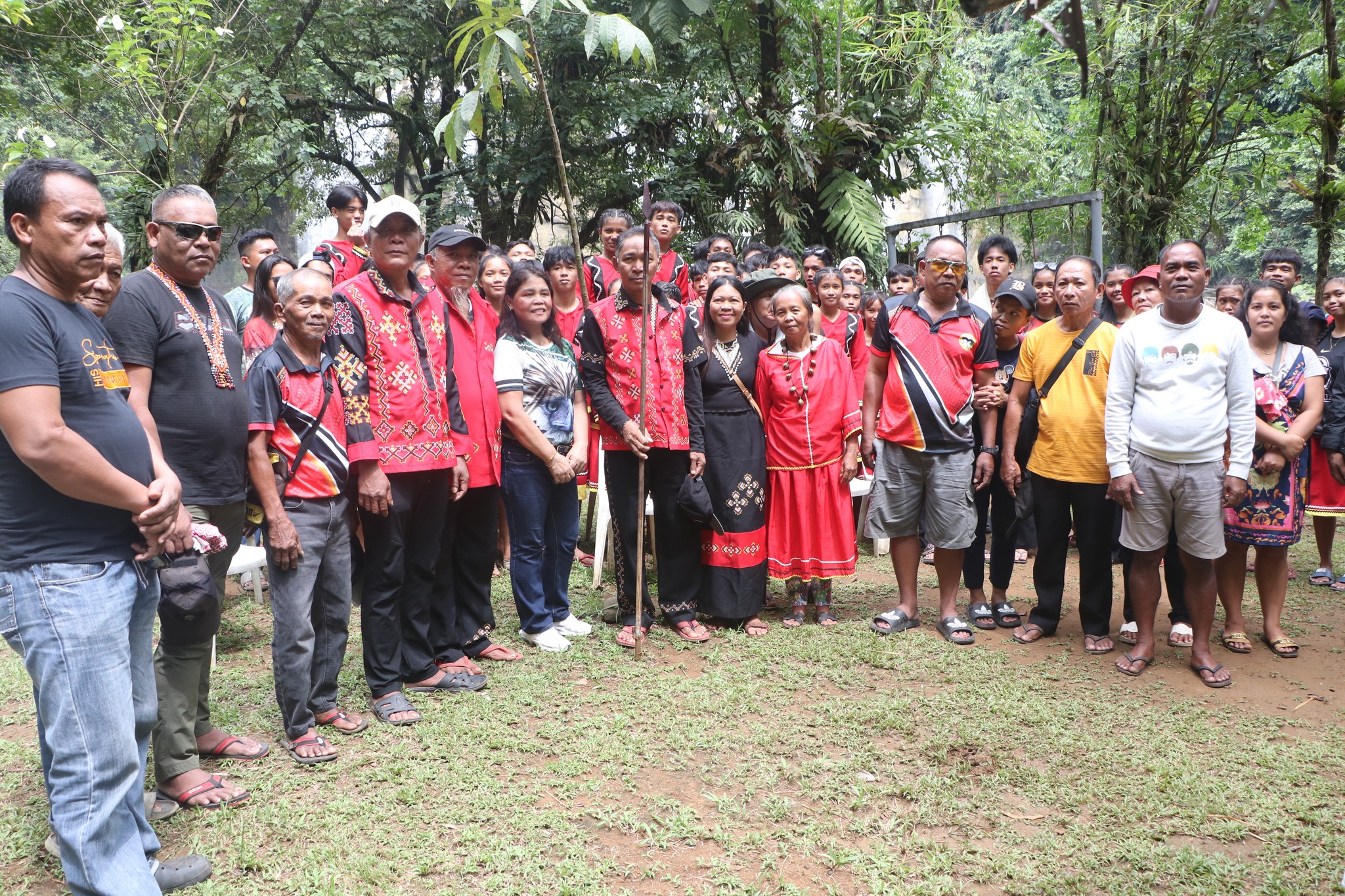
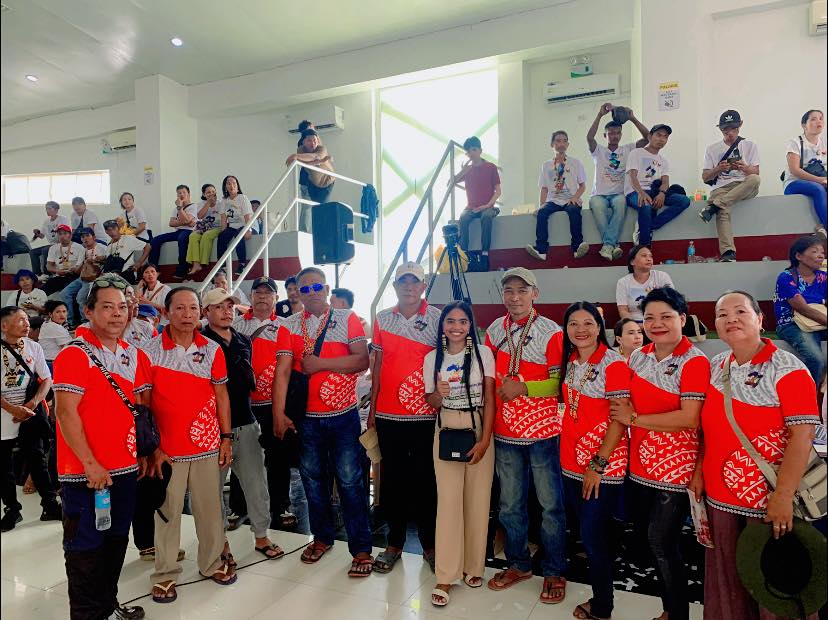
The roots of the Manobo tribespeople of CADT 239 or Pangasanan, with IP communities in Sitio Sote and Sitio Bayabas, Barangay Burboanan and Sitio Baguis, Barangay Mone, Bislig City, Surigao del Sur are traced to their ancestors Epa Domogoy and his wife Calderon, which are the first-ever recorded Manobo tribe under the Domogoy clan according to historical accounts. The couple, along with their parents and grandparents, settled in “Linunsudan”, believed to be the first lungsod (city) of Bislig and can be found in the middle of the forest. The couple begot three sons, namely Eusebio, Julian, and Marcelo (whose information is unknown to the elders). Despite facing oppression from the Spaniards and hardships brought by an 18th-century plague cholera, the first line of Domogoy thrived, and their offsprings scattered to various areas of present-day Bislig City. Specifically, Julian Calderon Domogoy stayed at a neighboring area of the Mapay forest where his parents first settled, modern-day Coleto, Bislig City. On the other hand, the offsprings of Eusebio Calderon Domogoy settled in Sote creek, presently Sitio Sote of Barangay Burboanan, and Sitio Baguis of Barangay Mone.
From the first-ever recorded Manobo tribespeople, five generations have thrived and uplifted the Manobo lifestyle, cultures and traditions, and heritage; the Domogoy clan survived, lived, and prospered up to this very day as the very first clan of Manobo tribe to have entered and resided not only in Bislig City but in the Province of Surigao del Sur. In the past, despite having no highly organized and well-structured governing body compared to the tribal council of today, the Domogoy clan protected and preserved the way of life of the Manobo tribespeople for many centuries. Today, along with the NCIP, the LGU of City of Bislig, and other government agencies and non-governmental organizations, MATRICOSOBA and the Domogoy clan of Manobo Tribe keep on moving forward towards the future, ensuring that the past is preserved, and the present is protected. The Manobo IP Group, spearheaded by the IPS and IPO of CADT 239, is the forerunner in preserving the Manobo rich cultural heritage and protecting its ancestral domains, especially for future generations. With a deep sense of connection to nature, these tribespeople have long been practicing sustainable agriculture and acting as stewards for their ancestral lands through the leadership of MATRICOSO and its long line of previous tribal leaders. Strong community values of respect and cooperation guide their way of life, with elders passing down traditions to the youth, encompassing the essence of tribal life, tribal culture, and tribal identity.
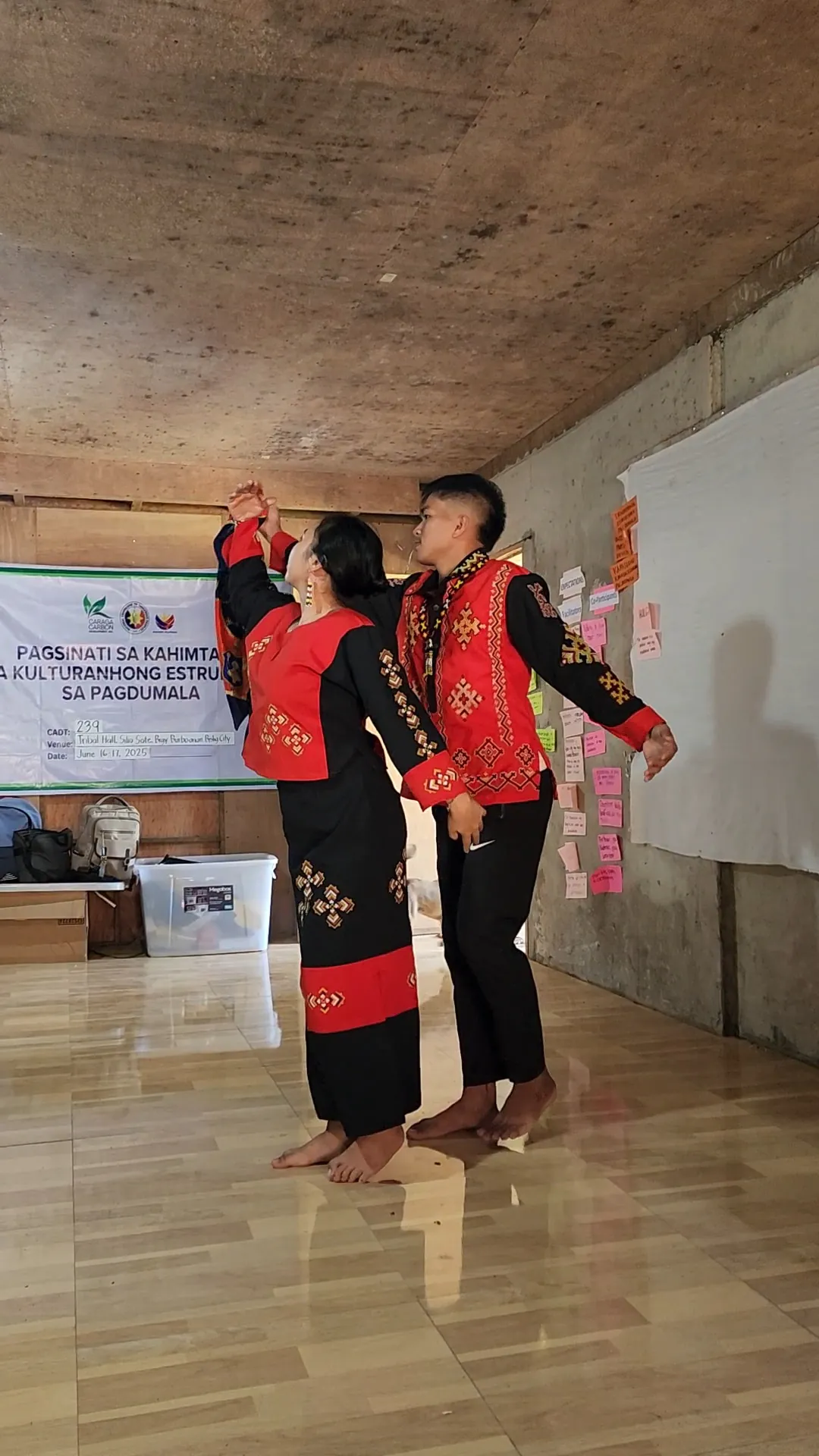
The Binanog is a traditional courtship dance of the Indigenous Peoples, inspired by the graceful movements of the banog (hawk). Dancers mimic the bird’s elegant flight and playful chase, symbolizing a suitor’s persistence and a maiden’s coy acceptance. Performed with colorful garments and rhythmic beats, it celebrates love, cultural pride, and the harmony between humans and nature.
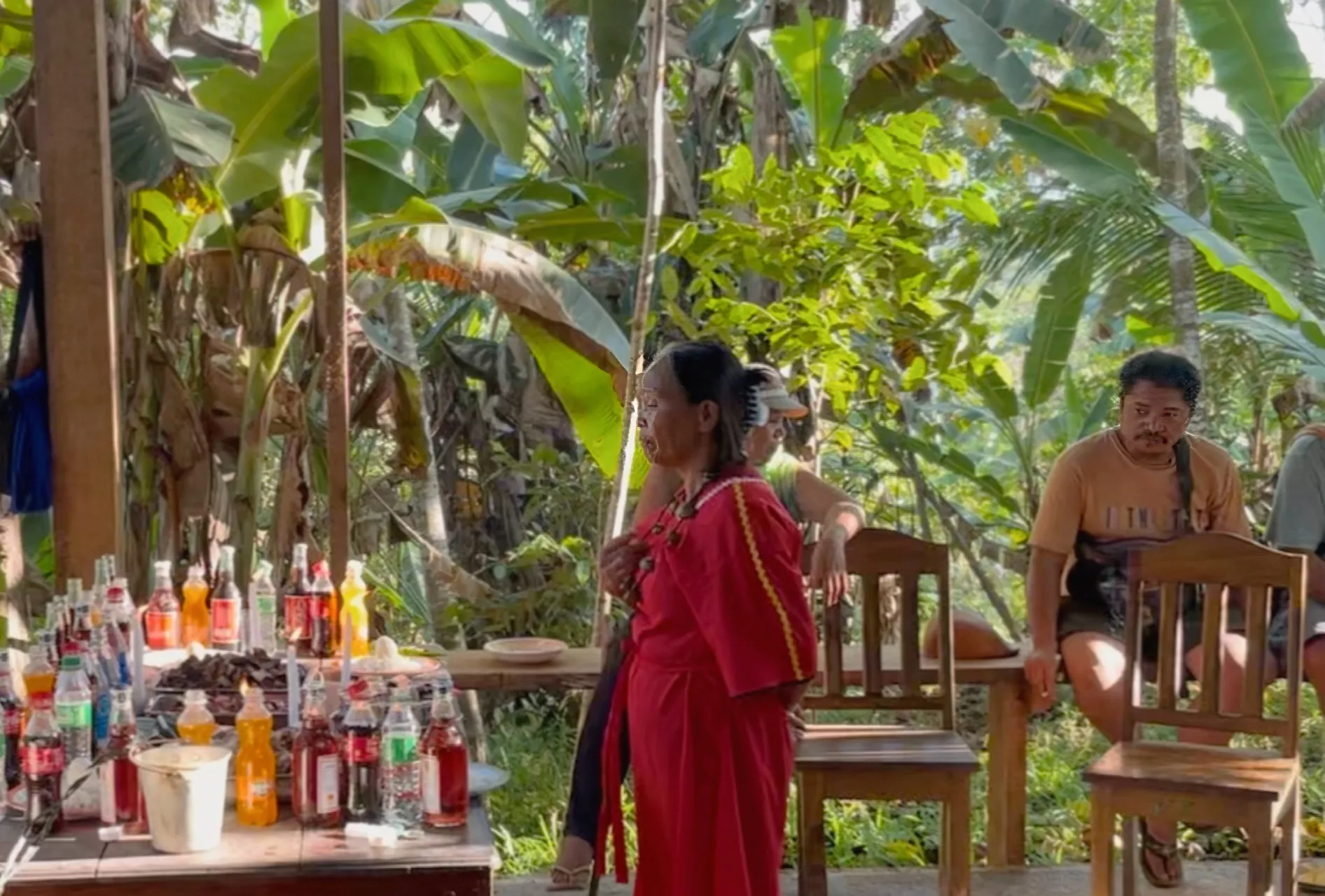
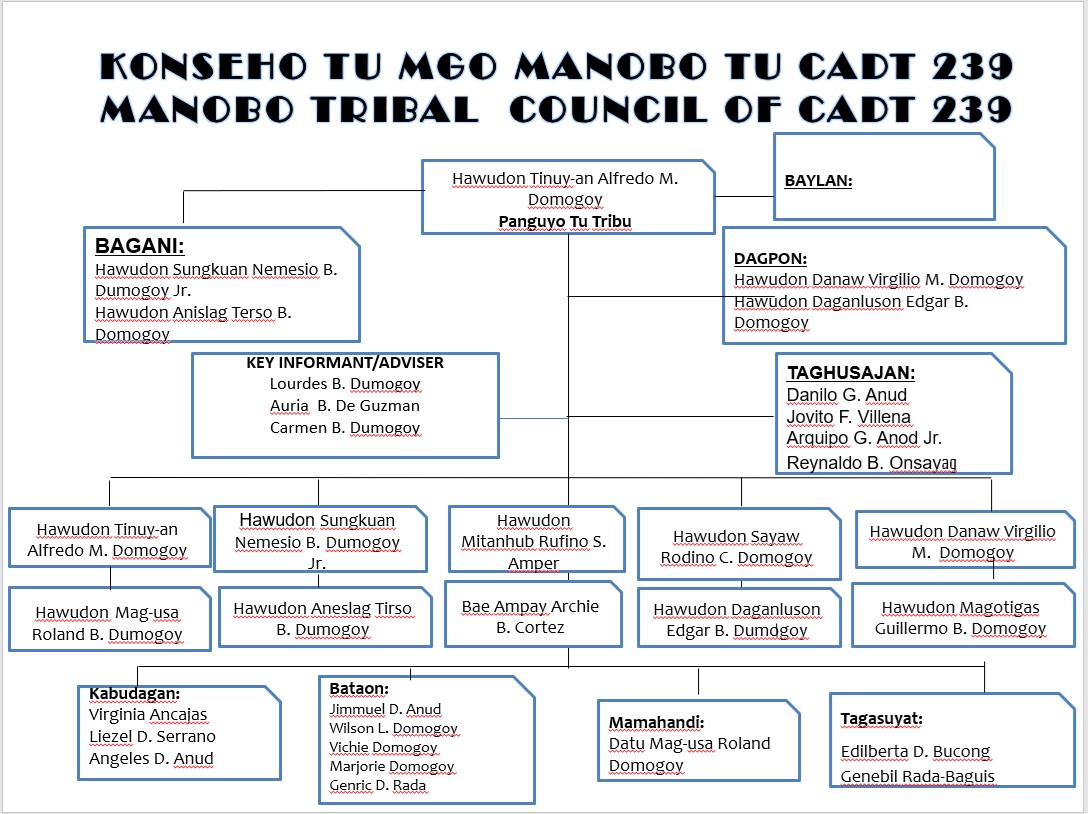
The Baylan is endowed with the important role of performing rituals, healing, and ceremonies, who acts as an instrumental bridge between the human physical world and the unseen spiritual realm. It is said that only a Baylan can mediate between the spirits and the humans, acting as a medium for the humans when they wish to speak with the spirits, the departed ones, and other entities of the unseen world. On the other hand, Hawudon is the tribal/sectoral leader that is responsible for guiding the tribal village/community and managing the natural resources provided by the ancestral domains with respect to spiritual entities. This sectoral leader serves as the political or governing head of the tribal sector/village/community, ensuring that the tribespeople follow rules for safeguarding the welfare of fellow tribespeople, the ancestral/natural lands, and the spiritual world.
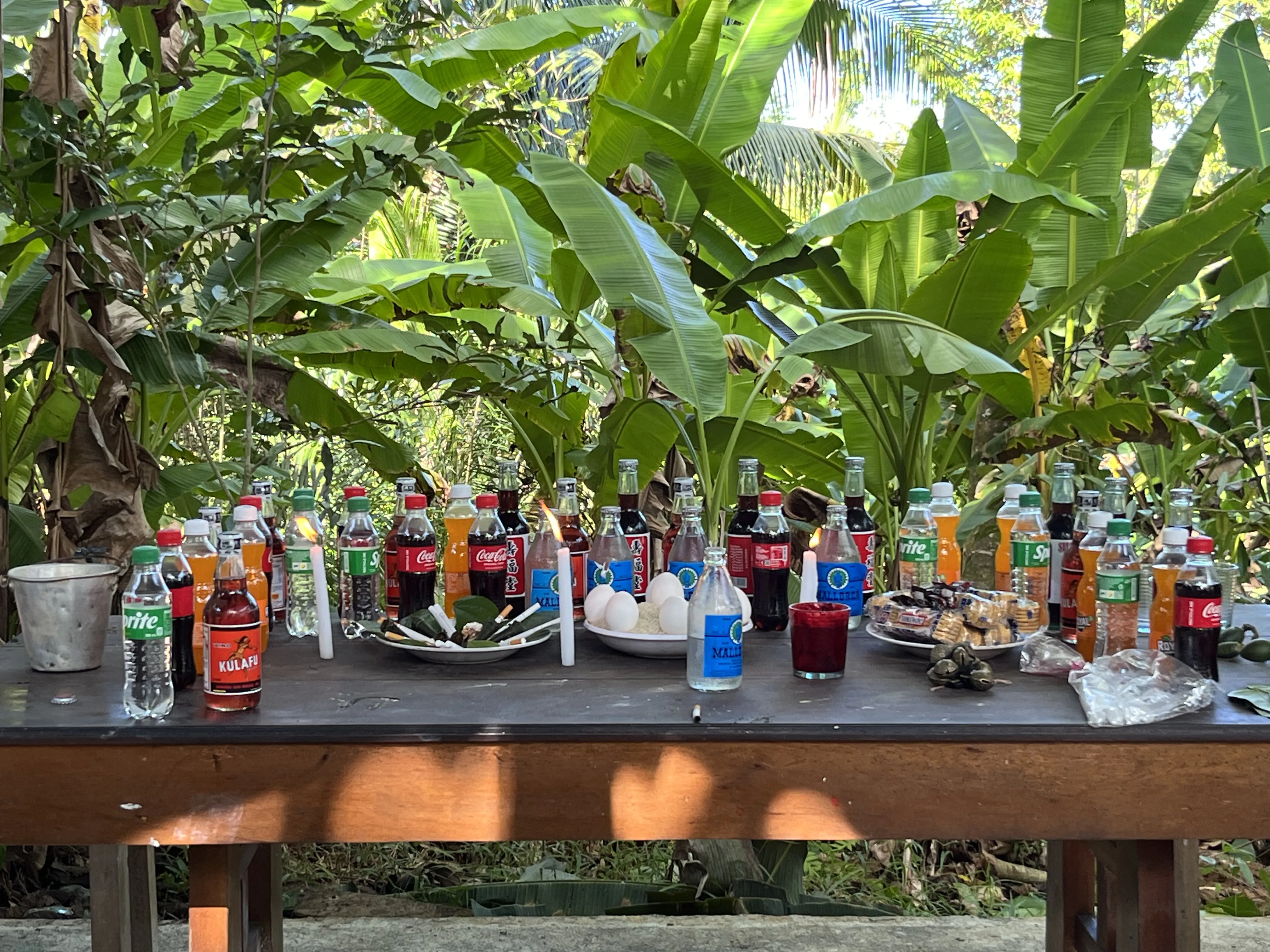
With great respect to the spiritual world and sustenance through natural resources, Manobo tribespeople perform rituals and ceremonies for different occasions, especially when they ask for permission from their supreme deity and other spiritual entities, for good harvest, and for the avoidance of or protection from harmful and unwanted incidents. The most notable and common ritual of the Manobo Tribe is the Taephag, which is done for various purposes: Taephag to Sogoyon, the owner of wild animals, done before hunting, and Taephag to Yumod, steward spirit or Diwata of the water, done before fishing activities.
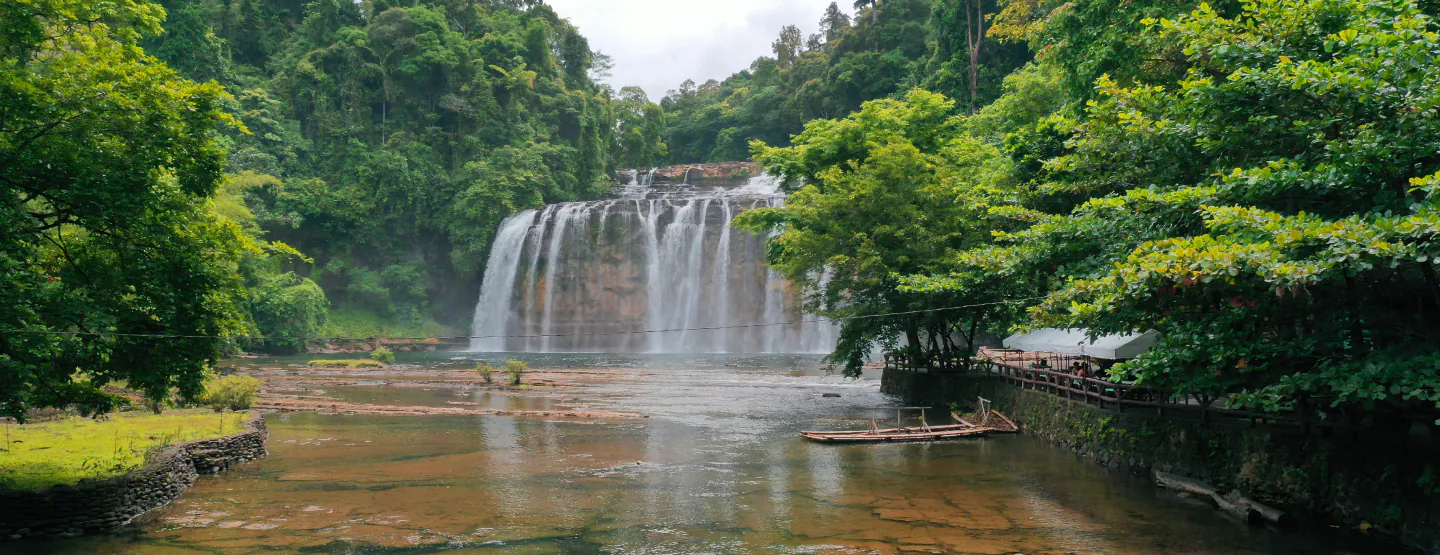
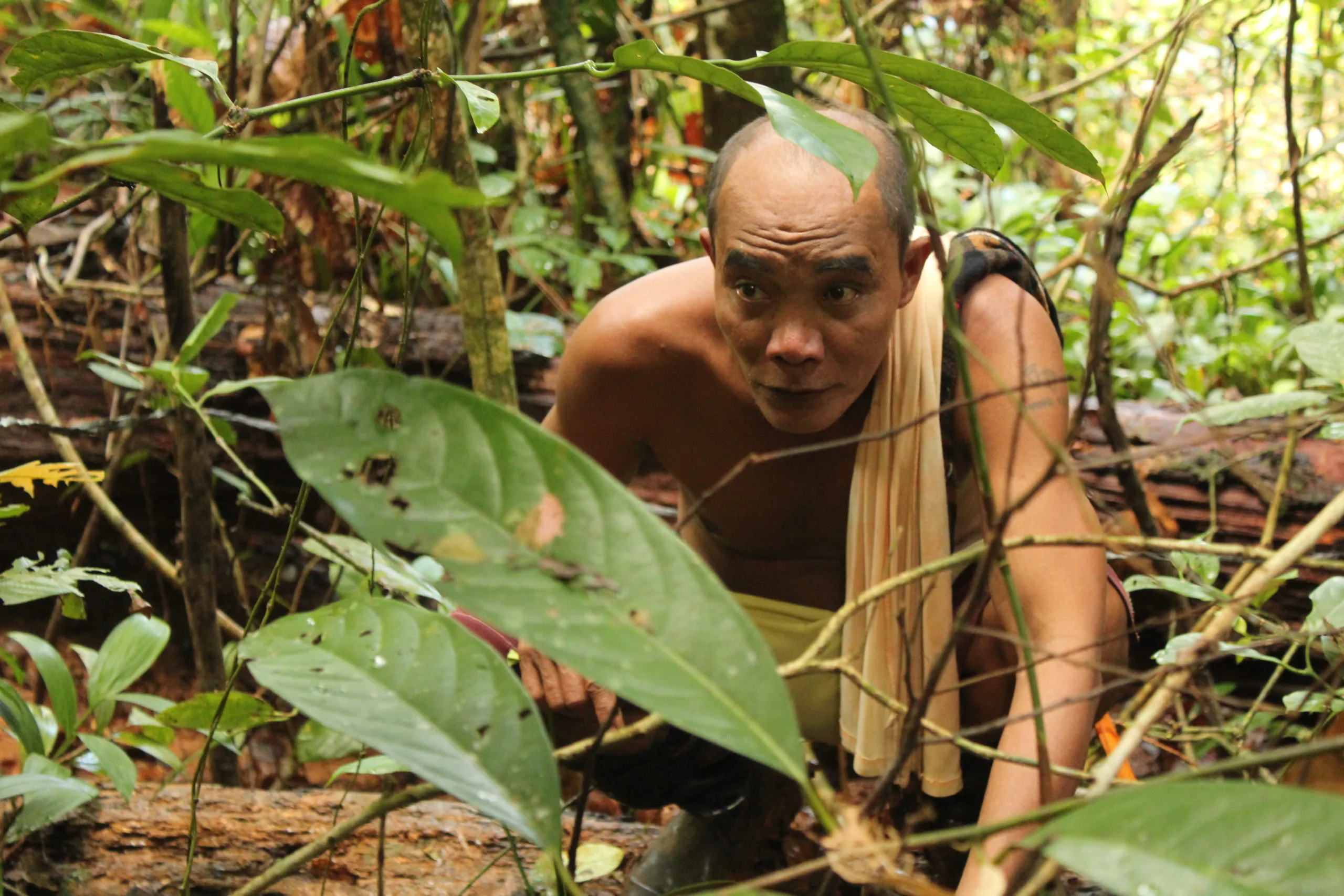
While modernization and urbanization greatly influenced and shaped the lives of modern-day Manobo tribespeople, the Domogoy clan of the Manobo tribe of Bislig City continue to preserve the tribal community of hunters, gatherers, forest-protectors, and agro-foresters. Sustainable farming and the possession of traditional knowledge have withstood time, change, and pressure from the outside world. Manobo tribespeople continue to protect and share to their youth the natural resources offered by their protected lands and knowledge regarding medicinal plants and other resources.
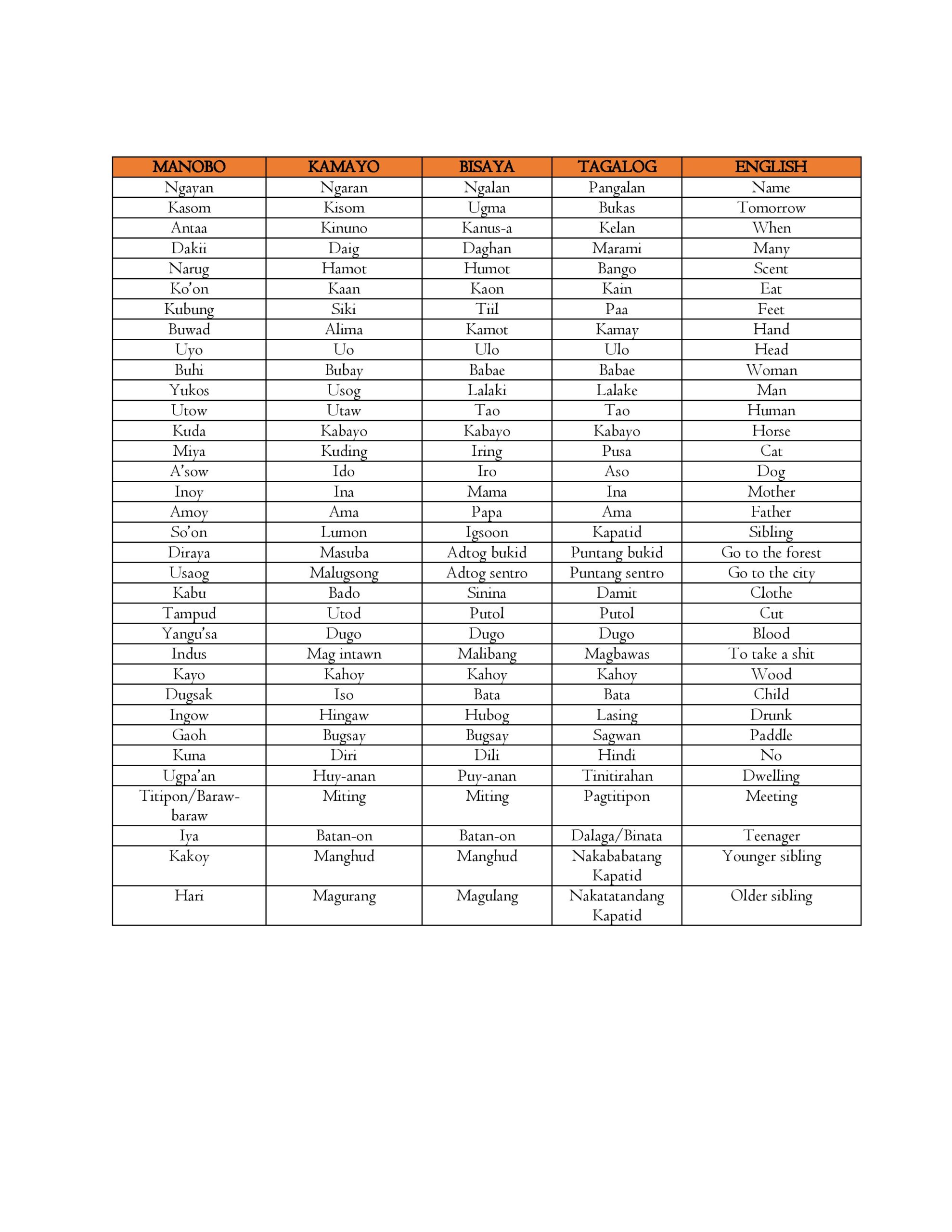
The Manobo tribespeople of CADT 239 or Pangasananan primarily uses a mixture of dialects for everyday conversations and different occasions. However, the original language that the Manobo tribe have used, preserved, and passed down for generations is the Manobo language. The Manobo language belongs to the larger Manobo language family, which is part of the Malayo-Polynesian branch of the Austronesian linguistic family. Despite facing challenges of minimal utilization and fear of eventual fading, the Manobo language continues to thrive among Manobo tribespeople in CADT 239, especially the elders. Today, the advocacy towards cultural preservation puts reliving and strengthening the use of Manobo language in CADT 239 with strong emphasis and prioritization.
With Kamayo, Bisaya, Tagalog, and English Translations
Common Phrases, Greetings, and Statements
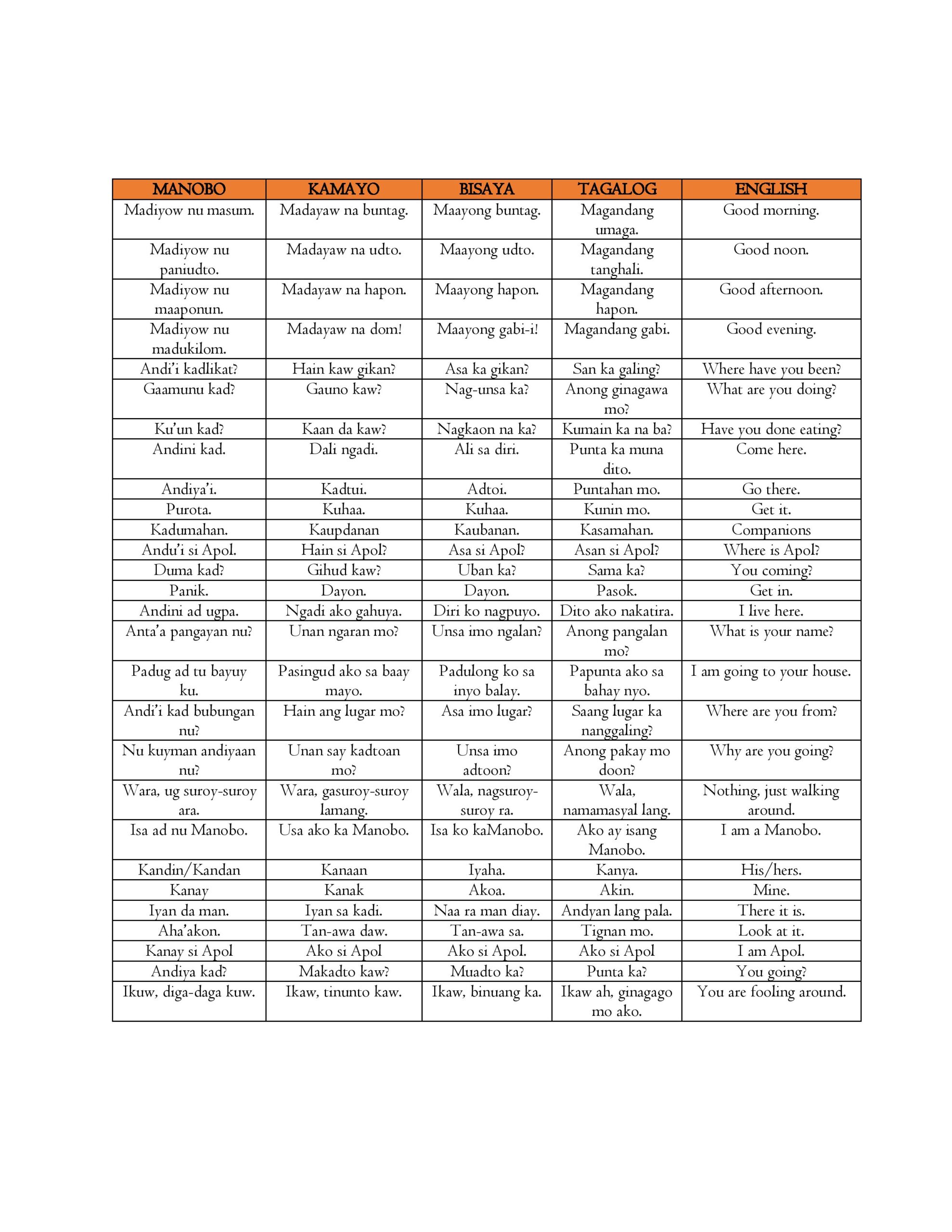
Common Words 1

Common Words 2
Since time immemorial, the Manobo tribespeople, its villages or communities, its cultures and traditions, and its territories and identities have been long protected by the Bagani. The Bagani are the peace keeping force and warrior-leaders of the Manobo tribe who uphold integrity, respect, courage, and heroism, safeguarding the tribe from external threats. In today’s world, threats from illegal loggers and kaingineros, insurgencies, and aggressive outsiders are just some of the challenges faced by the Bagani of Manobo Tribe.
The ancestral domain of CADT 239, its IP communities, the deep forests and mighty rivers, and the whole Manobo tribe of CADT 239 is protected by its passionate, brave, and resilient Bagani headed by Bagani Chief and Indigenous Peoples Organization (IPO) or MATRICOSO Vice Chairman Datu Sungkuan Nemesio B. Dumogoy Jr. Currently, there a total of one hundred eighteen members of Bagani scattered among four outposts: Bagani Outpost in Kilometer 24, P7 Sitio Gasa, Brgy. San Jose, Bagani Outpost in P6, Sitio Sote, Brgy Burboanan, Bagani Outpost in Kilometer 83 and Bagani Outpost in Kilometer 84, Sitio Baguis, Brgy Mone, Bislig City, Surigao del Sur 8311, Philippines.
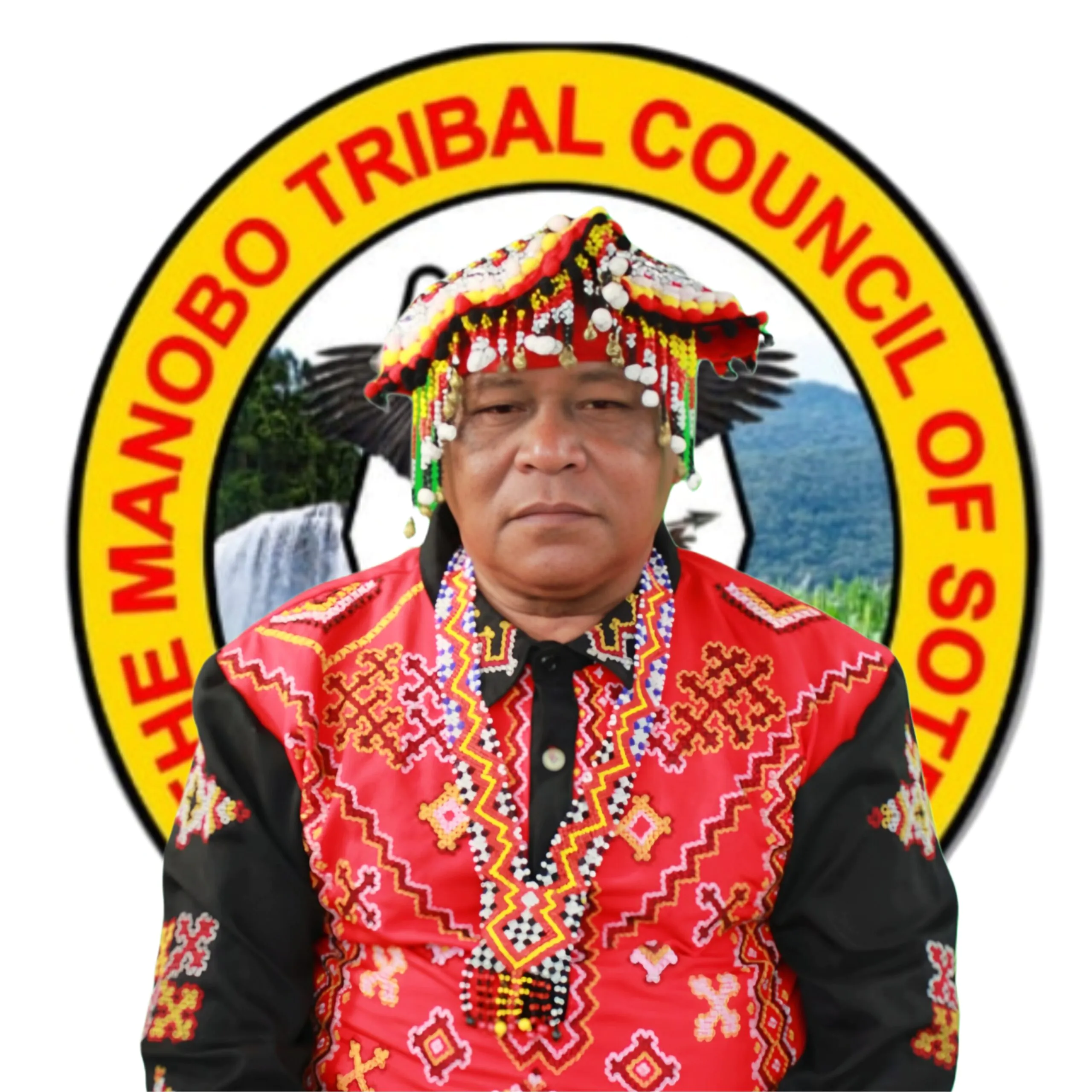
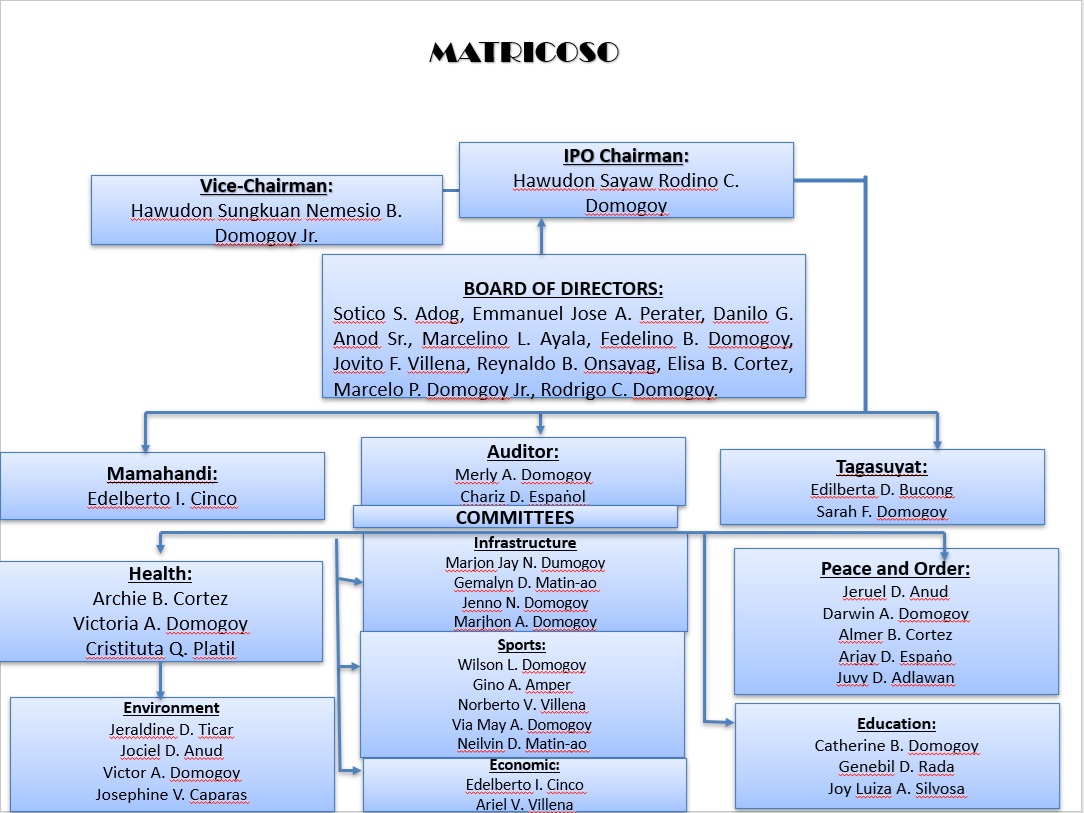
The Manobo Tribal Council of Sote (MATRICOSO) is the existing Indigenous Peoples Organization (IPO) of the Manobo Indigenous Cultural Community (ICCs) of Sitio Sote and Bayabas of Barangay Burboanan and Sitio Baguis of Barangay Mone. It serves as the economic arm of the Indigenous People (IPs) and Indigenous Political Structure (IPS) of CADT 239 or Pangasananan in pursuing development. The compositions of their IPO are the Board of Directors (BOD), Chairman, Vice Chairman, Different Committees and Chairpersons, Secretary, Treasurer, and Auditor. Automatically, the IPS functions as the Board of Directors of the organization. The selection, roles and functions, and the removal and sanctions of the officials in the structure are elaborated in their Ancestral Domain Sustainable Development and Protection Plan.
Collectively, the MATRICOSO serves as the economic arm of the Manobo tribespeople in Sitio Sote, Barangay Burboanan and Sitio Baguis, Barangay Mone, Bislig City, Province of Surigao del Sur. Functioning through legislative, constitutional, governmental, and social efforts, this tribal council ensures the preservation of Manobo Tribe culture and traditions, ancestral domains, lifestyle, and the sustainability of natural resources for both present and future generations. Through working with government agencies and private sectors, MATRICOSO moves forward to progressively obtain sustainable development for every member of the Manobo tribe of Bislig City. The MATRICOSO comprises of a Board of Directors, IPO Chairman, ViceChairman, Mamahandi, Auditor, Tagasuyat, and Committees on Health, Infrastructure, Peace and Order, Sports, Environment, Economics, and Education.
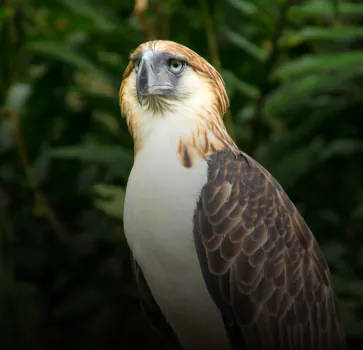
Responsible for: conducting and assembling meetings, creating sound judgment and insightful plans for the tribe, monitoring the community/domain, acting as the model in following and enacting plans and programs for the ancestral domain, and representing the tribe to different agencies in terms of projects.
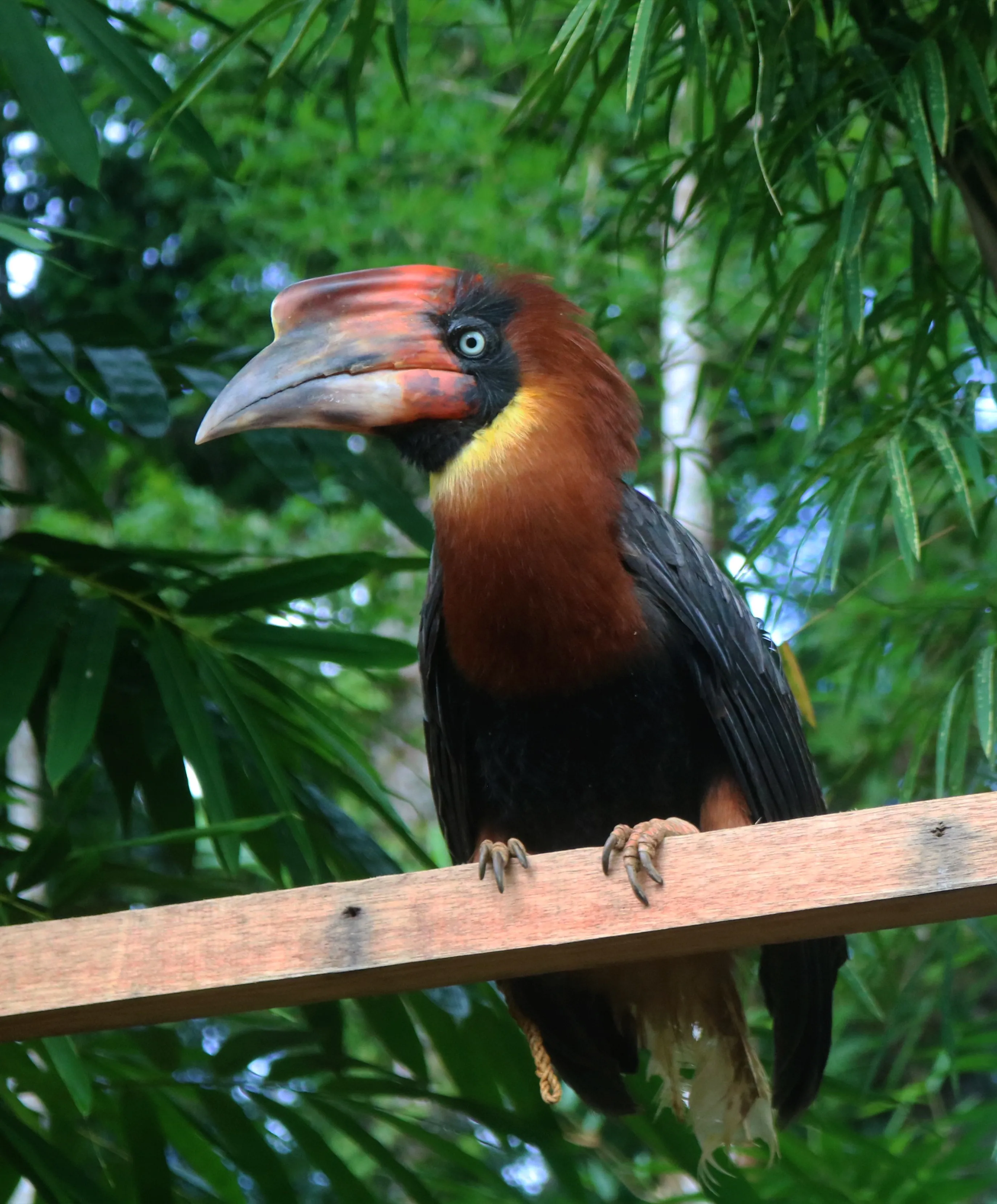
Responsible for filling in the position of the Chairman once absent and representing the tribal group to different agencies.
Responsible for: creating laws and policies, attending meetings, providing sound advice, making rational decisions, and formulating resolutions to give authority to the chairman.
Responsible for: bookkeeping of essential documents and items of the Manobo Tribe, depositing and withdrawal of money, collecting of funds for the IPO, and creating financial reports, as well as being capable and ready to meet monetary necessities and expenses when budget is short and lacking.
Responsible for: auditing cash-in and cash-out of funds, auditing materials and other items owned by the IPO, and creating audit reports for the IPO.
Responsible for: recording and creating minutes during meetings, writing resolutions and communications, and informing and reminding in advance through text and call messages regarding schedules of events and activities.
Responsible for: creating health-related plans and projects, initiating health-related activities, representing the tribe in terms of health-related aspects, assisting patients once needed, and processing necessary and pertinent papers, such as death assistance and medical assistance.
Responsible for: monitoring projects within the ancestral domain, creating project proposals and implementing these projects, and creating infrastructure-related plans.
Responsible for: maintain peace and order within the ancestral domain, initiate the creation of Bagani outposts/checkpoints, monitoring the community, and providing invitations and information to authorities regarding activities and events.
Responsible for: educating the people regarding tribal culture and traditions, creating education-related plans and programs, and representing the tribe to the respective agencies.
Responsible for: safeguarding and monitoring the environment, apprehending, along with Bagani, wrongdoers and perpetrators of illegal activities, implementing reforestation projects, enacting environmental laws and policies, and spearheading solid waste management (RA 9003) implementation.
Responsible for: creating plans relating to sustainable development and livelihood, seeking ways and measures for implementing projects, and spearheading project and program implementation.
Responsible for: creating plans for physical activities, initiating these activities, and spearheading the continuation of traditional sports.
“Usa ka malambuong tribong kumunidad sa manobo diin gi dumala sa mga respetadong lideres. Buhi nga kultura ug tradisyon, protektado nga yutang kabilin, naka angkon sa malahutayong panginabuhian, edukasyon, kompletong pasilidad ug inubanan sa giya ni Magbabaja.”
“A progressive and prosperous Manobo Tribal Community guided and governed by its respected leaders, with a rich and vibrant culture and tradition, protected ancestral domain, with sustainable living, education, complete facilities, through the guidance Of Magbabaja (Supreme Being).”
“Mahimaong modelo ug mapataas ang kalidad sa kinabuhi sa tribong komunidad sa Manobo pinaagi sa paghatag ug malahutayon nga panginabuhuan, kalinaw, mga batakang serbisyo sa nagkadaiyang mga ahensya sa katilingban ma pribado man o gobeyron, mka baton sa kompletong mga pasilidad ubos sa lig-on ug patas nga pagdumala sa mga respetadong lideres nga naga protekta sa yutang kabilin ug nagasunod sa Kostumbre ug tradisyon nga inubanan ni Magbabaja.”
“To become a model and to ensure quality of life for the Manobo tribal community through sustainable living, peace and security, quality services from different agencies within society, private sector or government, to obtain complete facilities under a wellestablished, well-founded, and fair governance from respective leaders who protect the ancestral domain and observe and preserve the cultures and traditions through the guidance Of Magbabaja (Supreme Being).”