
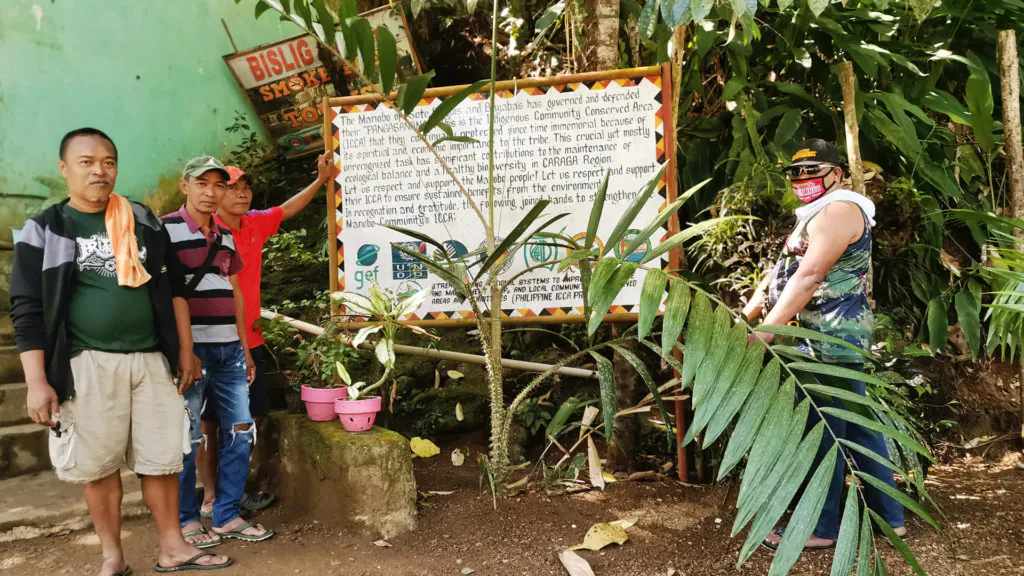
The Certificate of Ancestral Domain Title 239 (CADT 239) serves as the official and legal basis for ancestral domain claims of MATRICOSOBA and the Manobo Tribe of residing within this ancestral domain over the vast area that has been protected and preserved by the tribe since previous generations. The Manobo Tribe endured years of harassment, illegal entry and activities, and oppression from various entities, such as the Paper Industries Corporation of the Philippines (PICOP), armed leftist groups (New People’s Army), and even from unchecked and governance malpractice of the city.
To ensure protection and to avoid getting sued by anyone anent their ancestral domain, the Indigenous Cultural Community (ICC) in Bislig City submitted their official application for a CADT to the NCIP Regional-XIII Office in Butuan City in 2008. The application was supported, way back in 2010 by PAFID Non-Government Organization with coordination of NCIP Surigao del Sur; due to the lack of formal partnership agreement between both parties, the ICC failed to acquire a title. Fortunately, with all the efforts and perseverance of the leaders and community, the CADT application was approved in 2019, and the ICC is now a holder of CADT 239.
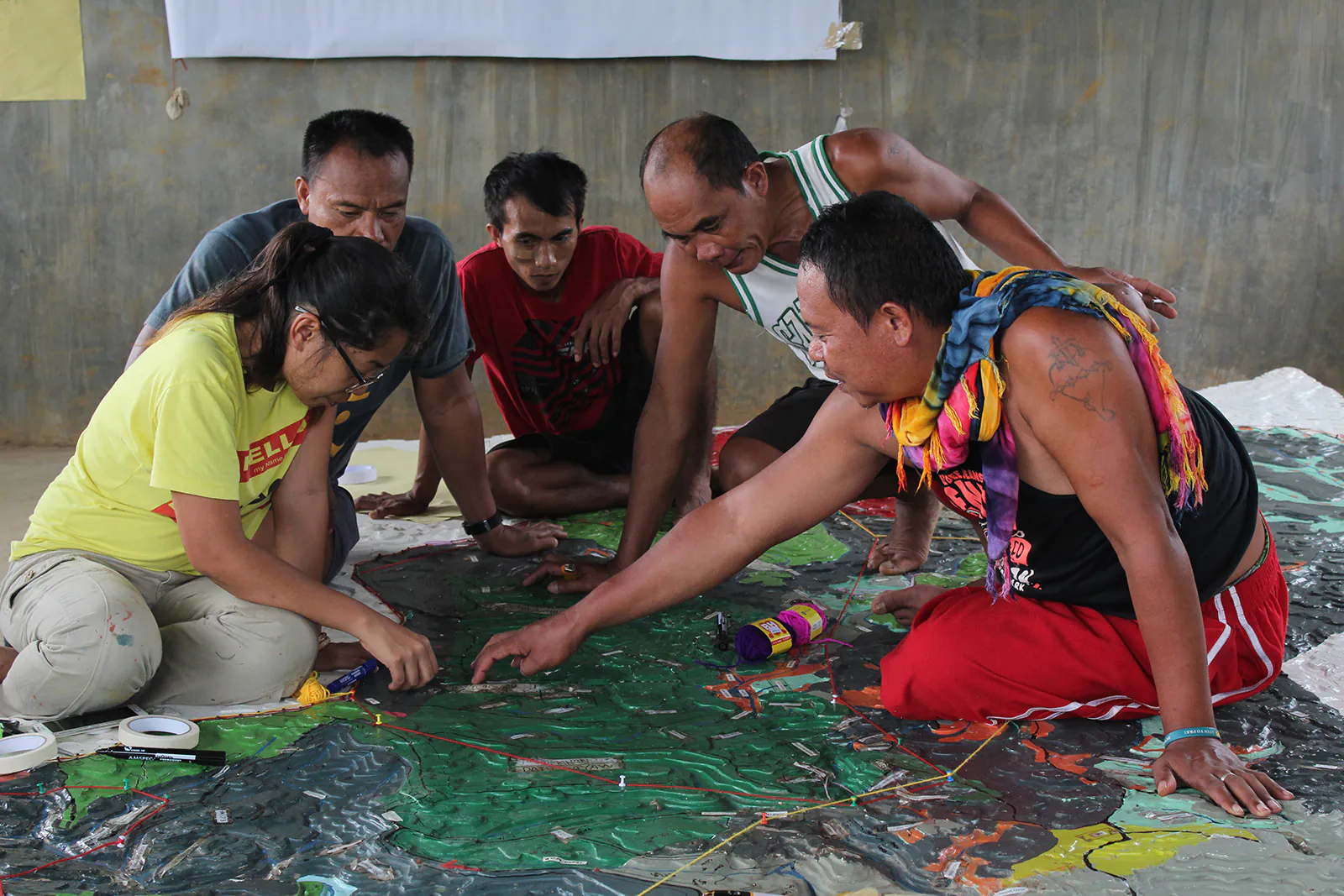
Specifically, the implementing rules of the Indigenous Peoples Rights Act (IPRA) specifically slated the importance of the formulation of the Ancestral Domain Sustainable Development and Protection Plan, which is based on the customary practices, laws, and traditions of ICCs/IPs. This plan outlines the foundation for the exercise, enforcement, and realization of their rights. NCIP Administrative Order No. 1, series of 2004, titled “Guidelines on the Formulation of the Ancestral Domain Sustainable Development Plan (ADSDPP)” provides guidance for creating this plan. Reflecting both the current conditions and the desired future of ICCs/IPs, outlining programs and projects for the sustainable management and development of their domains and communities, and to achieve its goal of successfully obtaining CADT, an ADSDPP was drafted, formulated, and established, which served as a comprehensive and integrated plan that promotes a culture and rights-based approach to development of the Manobo Tribe in Bislig City.
Importantly, it empowers ICCs/IPs by outlining how they will protect their territorial integrity and managing its operationalization of the plan through defined policies and development approaches, including the sharing of benefits and responsibilities among member and key stakeholders. Employing participatory development planning mechanisms primarily mobilized by the concerned ICC/IPs, with the input from important stakeholders, this document establishes a collective and community-driven development instrument, which sets forth the common future aspired by the ICC/IP’s of CADT 239 otherwise known as MATRICOSO.
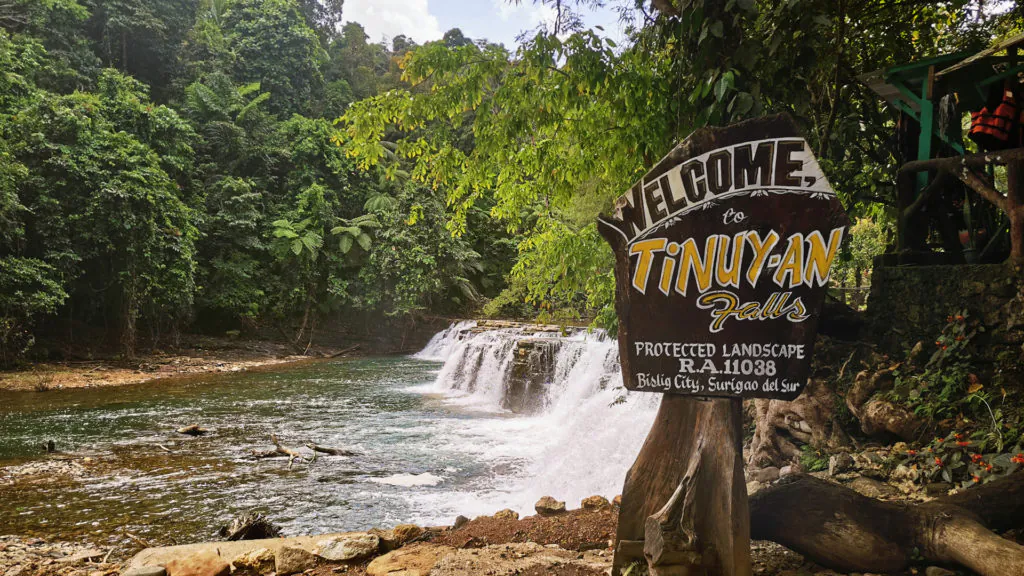
The MATRICOSO ancestral domain is situated in the City of Bislig, Surigao del Sur. The said claim covers Sitio Sote and Sitio Bayabas of Barangay Burboanan and Sitio Baguis of Barangay Mone of the said City in the Province of Surigao del Sur (CARAGA - Region XIII). The AD claim is in the eastern portion of Bislig City with a geographic coordinate of 8.21010 N, 126.28480 E. It is located about 22 kilometers from the Poblacion (Bislig City) crossing the Barangay Cumawas, Bislig City going to the said community. In protecting certain sectors of the CADT 239, MATRICOSO has established policies on Agricultural, Animal Sanctuary, Burial Ground, Communal Forest, Residential, Production Forest, and Watershed.
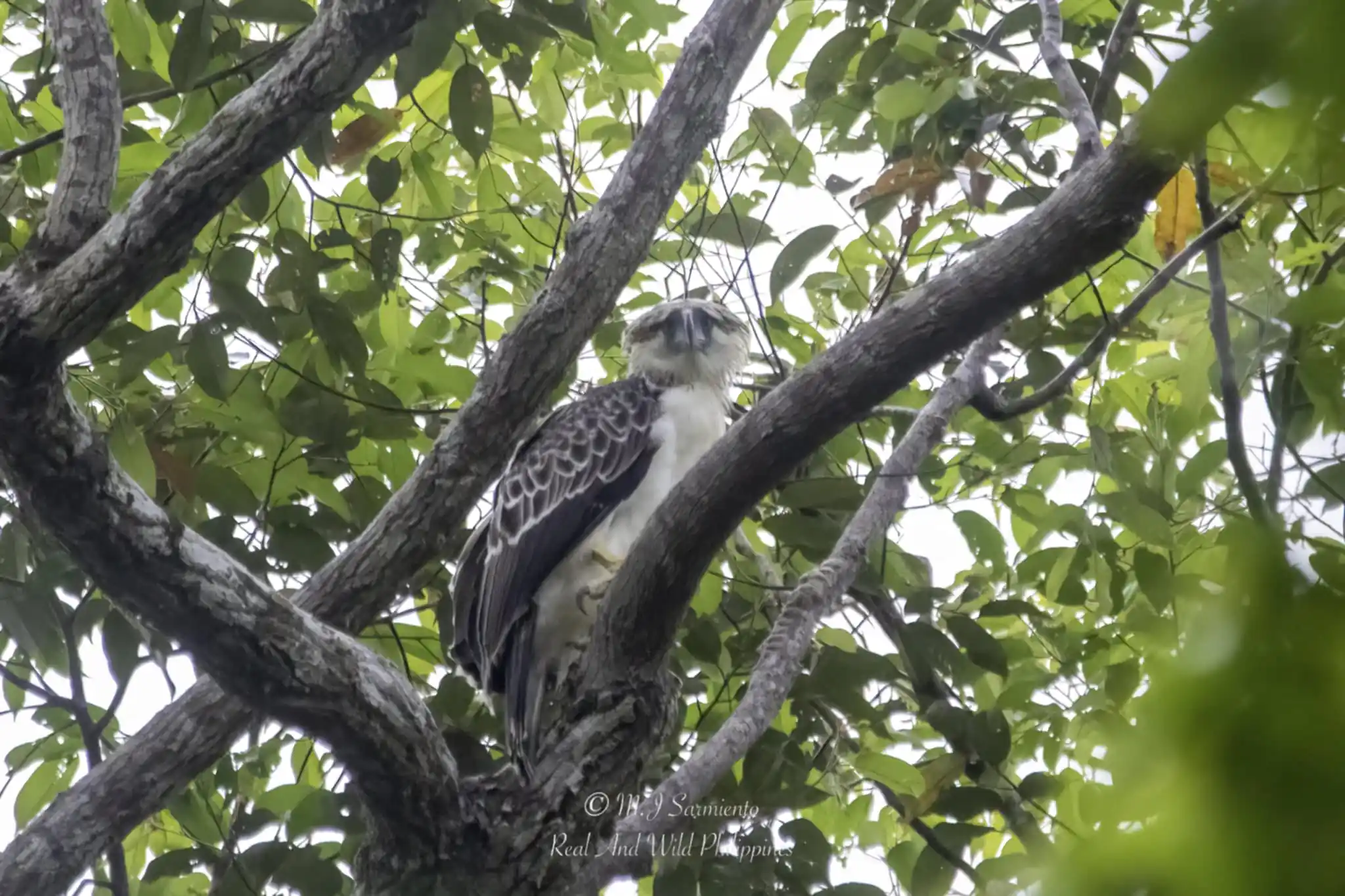
Agricultural Sectoral lands owned and governed by respected leaders should always be monitored and managed appropriately. Cutting of trees within agricultural areas, especially those regarded as mother trees, setting farm fields on fire, known as Kaingin, selling of land, construction of buildings and commercial establishments, especially when there is no permission from the tribal council or FPIC, are also strictly prohibited. Animal Sanctuary MATRICOSO strictly prohibits the following: animal hunting near Tinuy-an Falls and other territories declared as sanctuary or Itloganan, animal hunting during November to April since it is conception and delivery time, bird hunting between April and August since it is egg laying and hatching time, hunting of the Philippine Eagle and other endangered species, and hunting while using guns, emphasizing the use of traditional ways only.
MATRICOSO strictly prohibits the following: burial of deceased migrants, extension of farm fields within 100 meters regardless of being an ancestral domain owner or not, entry of migrants into the protected zone, and construction of houses within the sacred and burial grounds. Also, MATRICOSO strongly emphasizes putting signages for boundaries and entry/exit points of the sacred and burial grounds, as well as the maintenance of cleanliness and orderliness. Communal Forest Wood trees cut down from communal areas should only be used for residential purposes, usage as firewood, and community-related projects within the ancestral domain, and sale is strongly discouraged. Cutting trees from the communal forest is also prohibited when permission from the tribal council has not yet been granted. Moreover, MATRICOSO strictly reminds those who cut trees that for every tree cut down, ten (10) trees should be replaced through tree planting.
Residential House construction is only allowed in Sitio sites, within a two-meter distance from the main road. Residential houses or establishments should have sanitary toilets, fences, and space for a backyard garden. For those who own poultry, cattle, or any other domesticated animals for meat production and other purposes, cages and shelters should be present to avoid neighborhood and community disturbances and inconveniences. Production Forest As mentioned, to ensure that tree production is maintained for future generations, a ratio of 1:10 (one tree cut down, ten trees planted) should always be observed and practiced. Permission from sectoral tribe leaders or the tribal council should always be secured before cutting trees down. Moreover, commercial logging is strictly prohibited, while the IP community is permissible for logging only for those planted species.
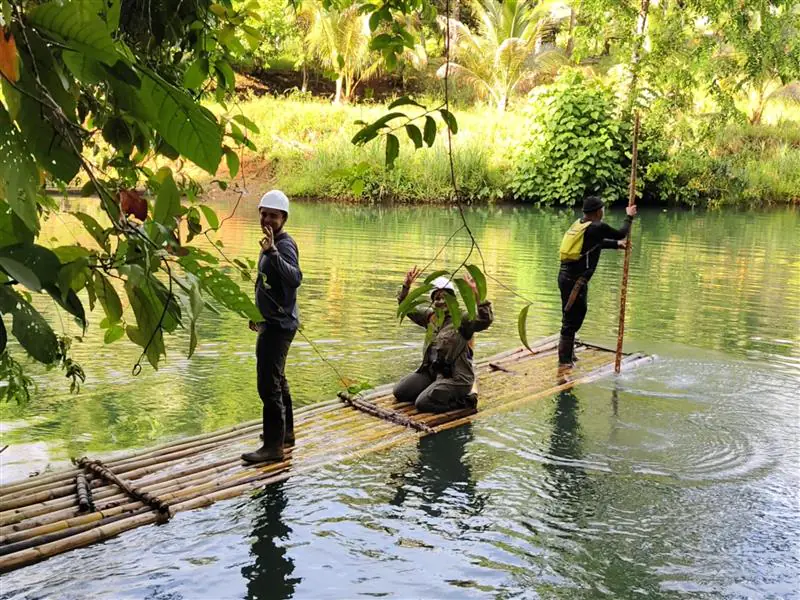

MATRICOSO strictly prohibits the following: polluting any forms or bodies of water within the ancestral domain, throwing of garbage including destroying environmental and traditional landmarks, building of houses and farming 50 meters from the main river and 10 meters from the spring, and the use of electricity, poison, or dynamites when fishing. Also, MATRICOSO highly encourages the planting of native trees and fruit bearers alongside the spring and rivers, such as lawaan, yakal, Narra, tuog, balite, and fruit bearing trees.
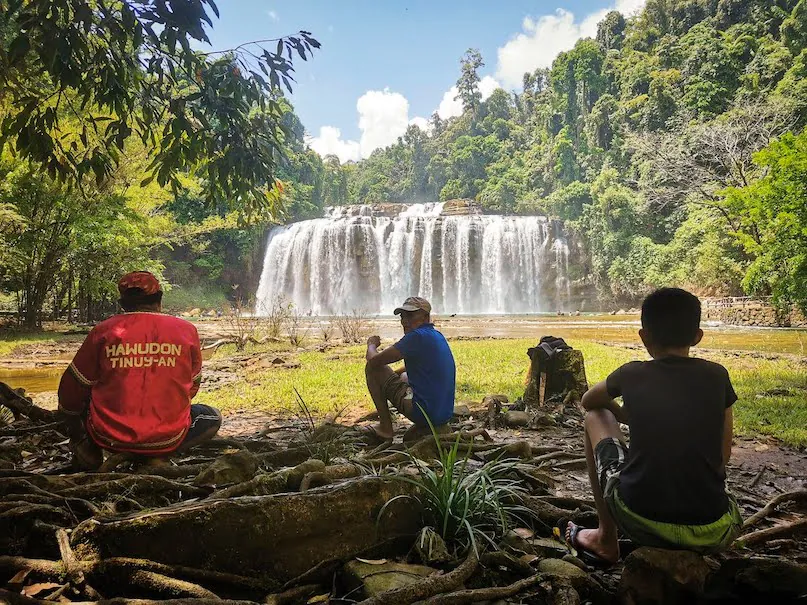
Tinuy-an Falls is one of the greatest prides of the Manobo Tribe of CADT 239 and MATRICOSO, being one of the most majestic gifts of nature to the City of Bislig. A tourist destination to visitors and an ancestral domain to the locals, this majestic and grandeur body of water is part of the ancestral domain of CADT 239, protected and preserved by the Manobo Tribe for hundreds of years. Recently, it has been declared as a Protected Landscape by the LGU, in partnership with MATRICOSO and the Manobo Tribe of Bislig City. As a protected landscape, the falls itself, areas within the falls, all fauna and flora creatures, and every aspect of the landscape should always be clean, in order, protected, preserved, and managed appropriately.
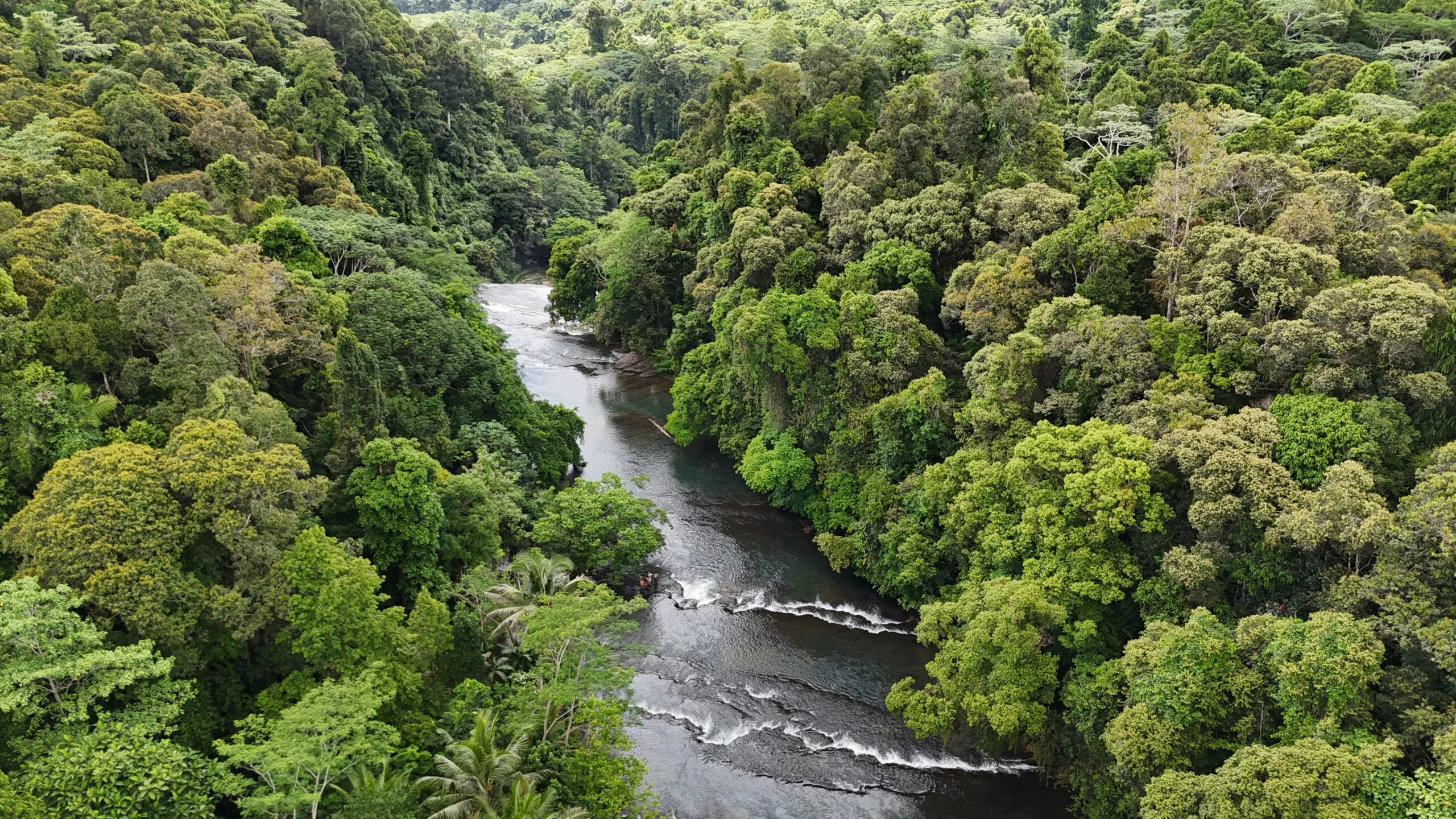
In the City of Bislig, Surigao del Sur lies Tinuy-an Falls, a majestic waterfall that has withstood time, change, and evolution of societies. Famous for its grandeur and dubbed the “Little Niagara”, Tinuy-an Falls captivates the hearts of many, especially those who visit just to see its beauty and savor moments connecting with nature and her gifts. With just five to six hours from Davao City and four to five hours from Butuan City, Bislig City, the booming city by the bay of Surigao del Sur, offers a wonderful treat to those who reside and those who visit. With only land travel from these major cities, the journey towards Bislig City becomes part of the amazing trip towards a hidden gem. Upon arriving at the heart of the city, various means of transportation will bring visitors and tourists to Barangay Burboanan where the grand waterfall awaits and welcomes the hearts of those yearning for enjoyment, nature, and bonding. Traveling for ten to fifteen minutes, scenery of a community where both rural and urban lie, both trees and buildings converge, where the skies, the seas, and the land meet, and where both busy employees and welcoming townsfolks will amaze you. Accommodation from local inns, lodges, and hotels will provide you the shelter for the time being, while various delicacies, tourist spots, and entertainment hubs will give you the best stay before you go for the big shot! The most astonishing part of the trip is the moments where you get a glimpse of the locals, where Bisliganons, may it be a child or an old man, an entrepreneur or an office worker, a bystander, or a mother, give you the sweetest smiles you can ever receive. However, it is not just a sweet smile, it is rather a set of words that holds your heart and soul, which says, “Ganahay kay iyang kadtoan mayo”, which is Kamayo, a local dialect of Bislig City, for “Your destination is a very amazing and wonderful place”. The trip will already make you feel comfortable and at peace; thanks to the Local Government Unit and townsfolks of Bislig City, the road trips are less and less hassle, making you superbly ready for the main course and the trip is just the appetizer. And viola! Right before your eyes, in front of you, the majestic Tinuy-an Falls, with its petrifying gush of water that falls from the top, forming drizzles and mists of water that makes your eyeglasses foggy but sweet smiles moist and satisfying. With the heartwarming welcome from the staff, souvenir shop vendors, and the Manobo people, the local tribespeople who have protected this ancestral domain turned tourist destination, you feel like you are at home in a place that you have been to before but have not come back for a very long time. However, you think you are already in for the treat, but no, not just yet. With the help of the local guides for the rafts and tour of the vicinity, you can ride a bamboo raft and get closer to the gushing waters of Tinuy-an Falls where you can relax and get massaged by the waters, feeling like the force of Mother Nature is caressing you. You can also climb to the top of the first level of the waterfall and find up there the other levels of the majestic Tinuy-an Falls, providing you with a top view of the whole place and reminding you that you are just part of nature’s gift. When feeling famished, local stores with delicious delicacies are available for your savory treats, as well as cold beverages to push down the food you chewed and swallowed and quench the thirst from a long yet enjoyable ride and tour. As you sit down and listen to the water falling, to the chirps of the birds, to the sounds of nature from insects and trees, you are reminded of your best moments in life. You reminisce the first time you became very happy and reflect on the moments you were so sad; the beautiful scenery and rhythmic lullaby of the place will captivate your heart, sway your soul, and calm your mind. You have your things prepared, you have changed your wet clothes, you have your company gathered, you have your keys in your hand, but you are not yet ready to leave, yet you must and promise to be back again. As you ride away from this wondrous and mesmerizing waterfall, a glimpse of memories you just had crosses your mind, which you surely will remember and wish to realize again. As you drive home, you once again have a glimpse of a Bisliganon child, man, or a woman, with a smile saying, “Lang-an takaw, ganahay noh?”, which means, “I told you it was very amazing and wonderful”.