
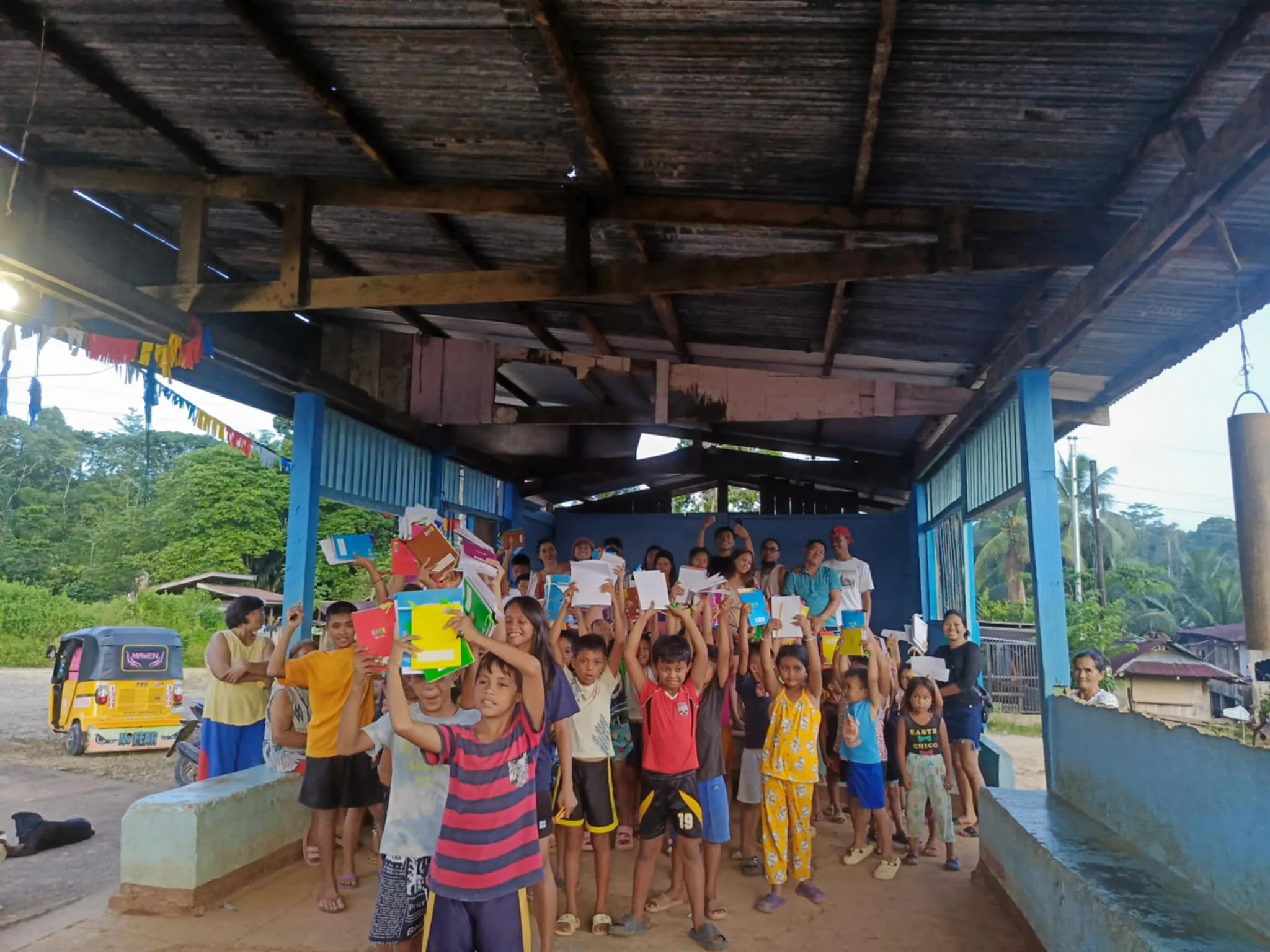
In pursuit of DepEd Order No. 62, “Adopting the National Indigenous Peoples (IP) Education Policy Framework” and Republic Act (RA) No. 10533, the “Enhanced Basic Education Act of 2013”, in 2016, the Department of Education circulated the DepEd Order No. 22, Series of 2016, which prioritizes the National Indigenous Peoples Education (IPEd) Program through the Implementing Guidelines on the Allocation and Utilization of the Indigenous Peoples Education (IPEd) Program Support Fund for the Fiscal Year (FY) 2016. Ever since, Indigenous Cultural Communities (ICC) in various regions of the Philippines sought to increase cultural awareness and educational development of their tribespeople by adopting these guidelines and prioritizing IPEd Program implementation.
The Manobo Tribe of Bislig City, under the supervision of MATRICOSO, has long thirsted for educational development for the young Manobo tribespeople, believing that education provides sustainable and impactful changes in the lives of every Manobo. Recognizing the true potential of the IPEd program, MATRICOSO spearheaded the implementation of this educational framework, integrating culturally centered education for the young learners of the tribe. MATRICOSO continues to strengthen the ties between Adlaw ng Tinuy-an the educational sector and institutions and Manobo tribe, engaging in ways that every young Manobo enjoys rights to free and quality education. (Photo Caption) Workshop on the Gathering of Community Competencies of the Manobo Indigenous Cultural Communities for integration in the Division Indigenous People's Education Program (IPEd) Framework, held last Dec. 3, 2024, attended by MATRICOSO CADT 239 with parents of Sote Elementary School with Ma'am Lucille C. Abunales - IPEd Supervisor.
No one knows when the majestic and grandeur Tinuy-an Falls in Bislig City was formed, not even the first Manobo tribespeople; according to knowledge passed down from the first Domogoy clan, Tinuy-an Falls was already there when they inhabited the area. Up to this very day, Tinuy-an Falls has been celebrated as a symbol of respect, culture, homage to ancestors, deep connection towards nature, and the Manobo tribespeople themselves. In August of 2016, the Sangguniang Panglungsod of Bislig City issued SP Ordinance 2016-07, “An ordinance institutionalizing Tinuy-an Festival every 13th to 23rd day of September and providing funds for the mandatory activities thereof, and for other purposes”. Since then, the Adlaw of Tinuy-an was celebrated by the whole city, as part of the Charter Day Celebration of the City of Bislig; the LGU Bislig City is one with MATRICOSO and the Manobo Tribe in appreciating and recognizing Tinuy-an Falls as a tourist destination for visitors and ancestral domain for the locals. Specifically, the Adlaw ng Tinuy-an is a celebration of the rich culture and natural beauty of Bislig City; it brings together the Bisliganon leaders and community to give value and honor to the majestic Tinuy-an Falls
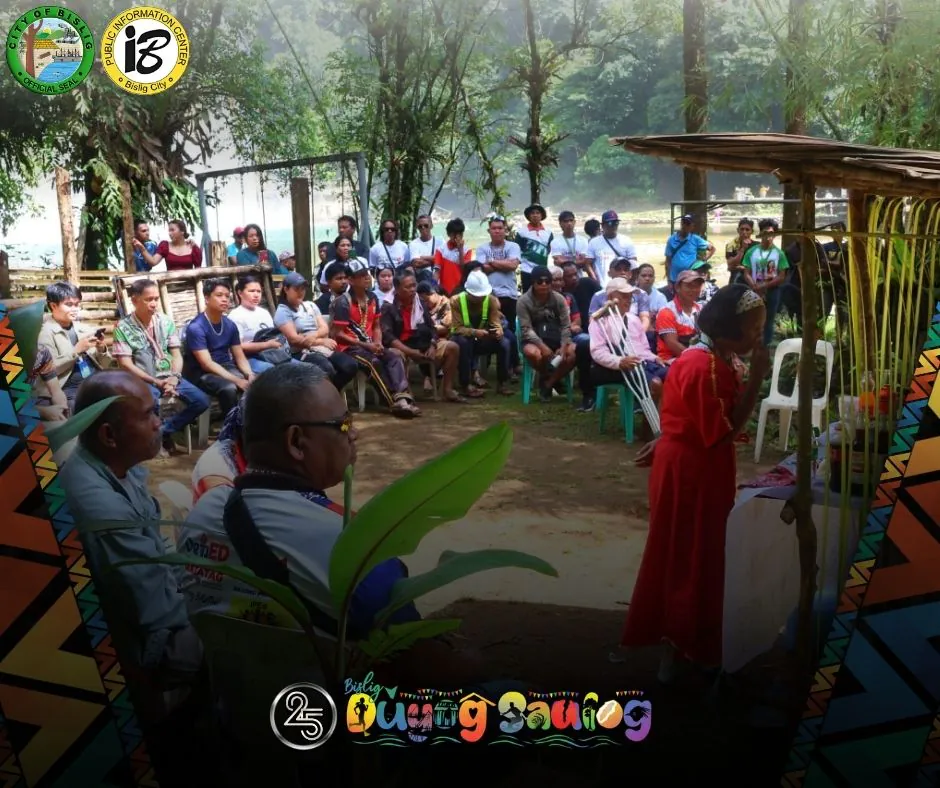
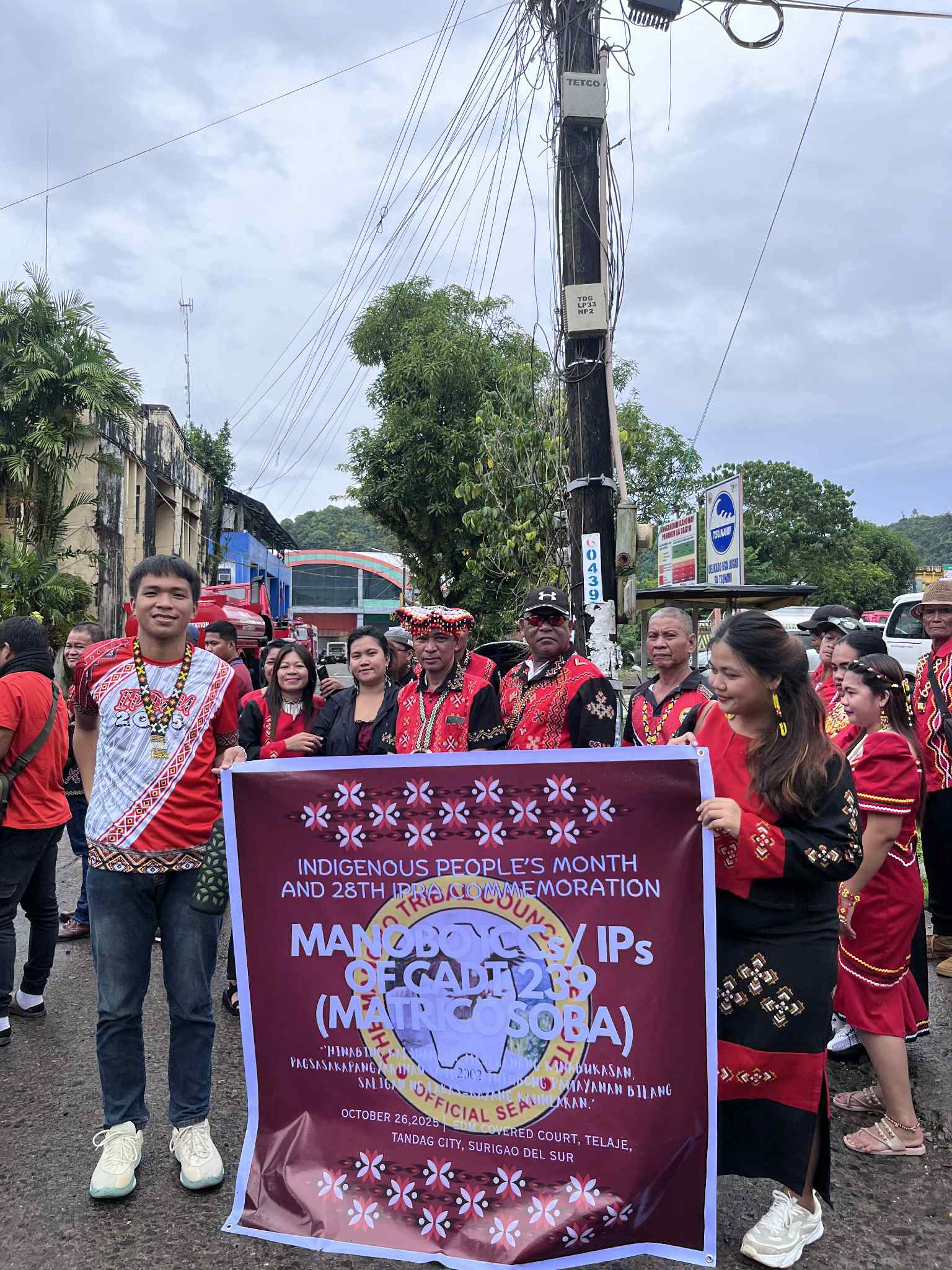
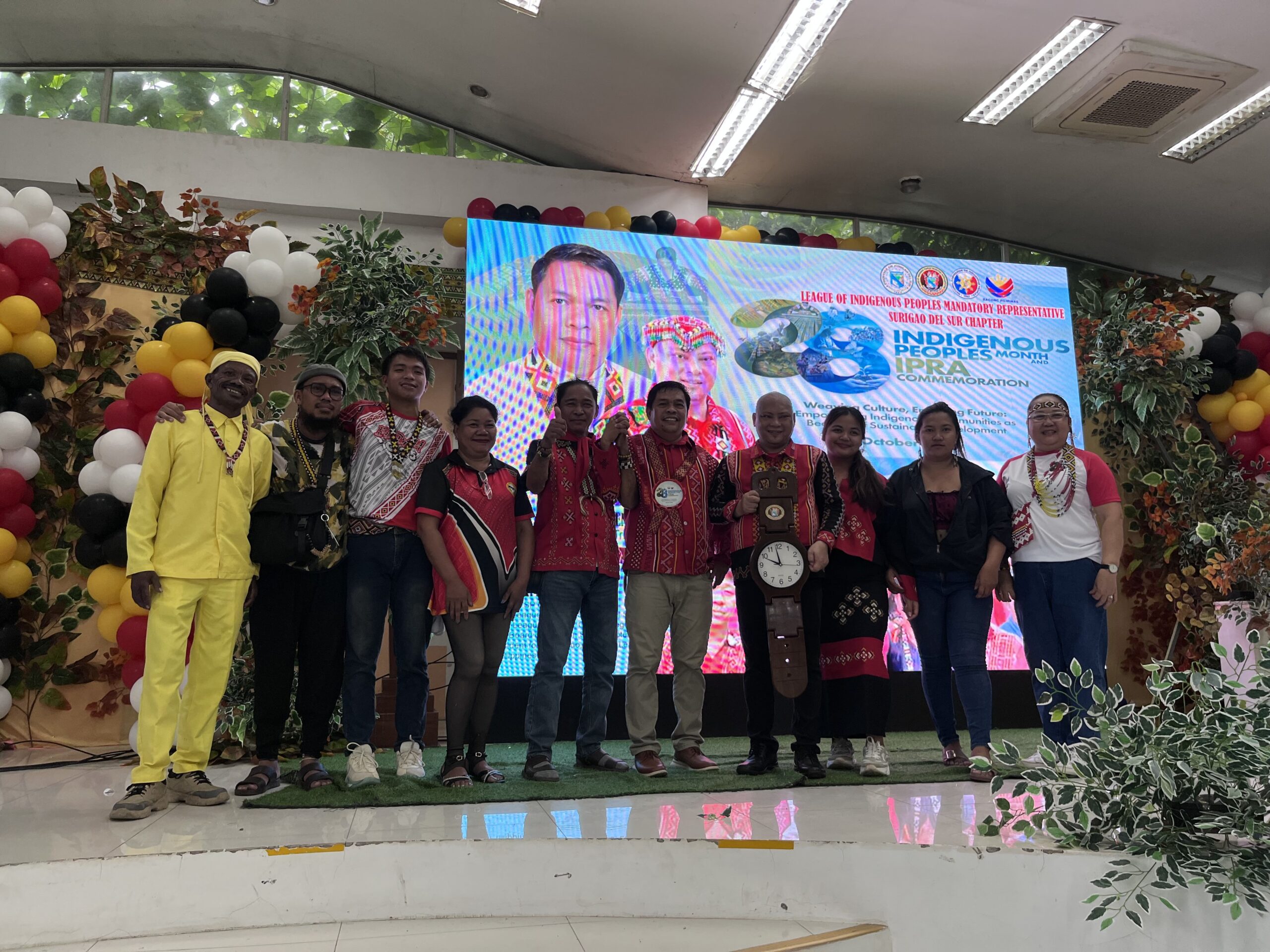
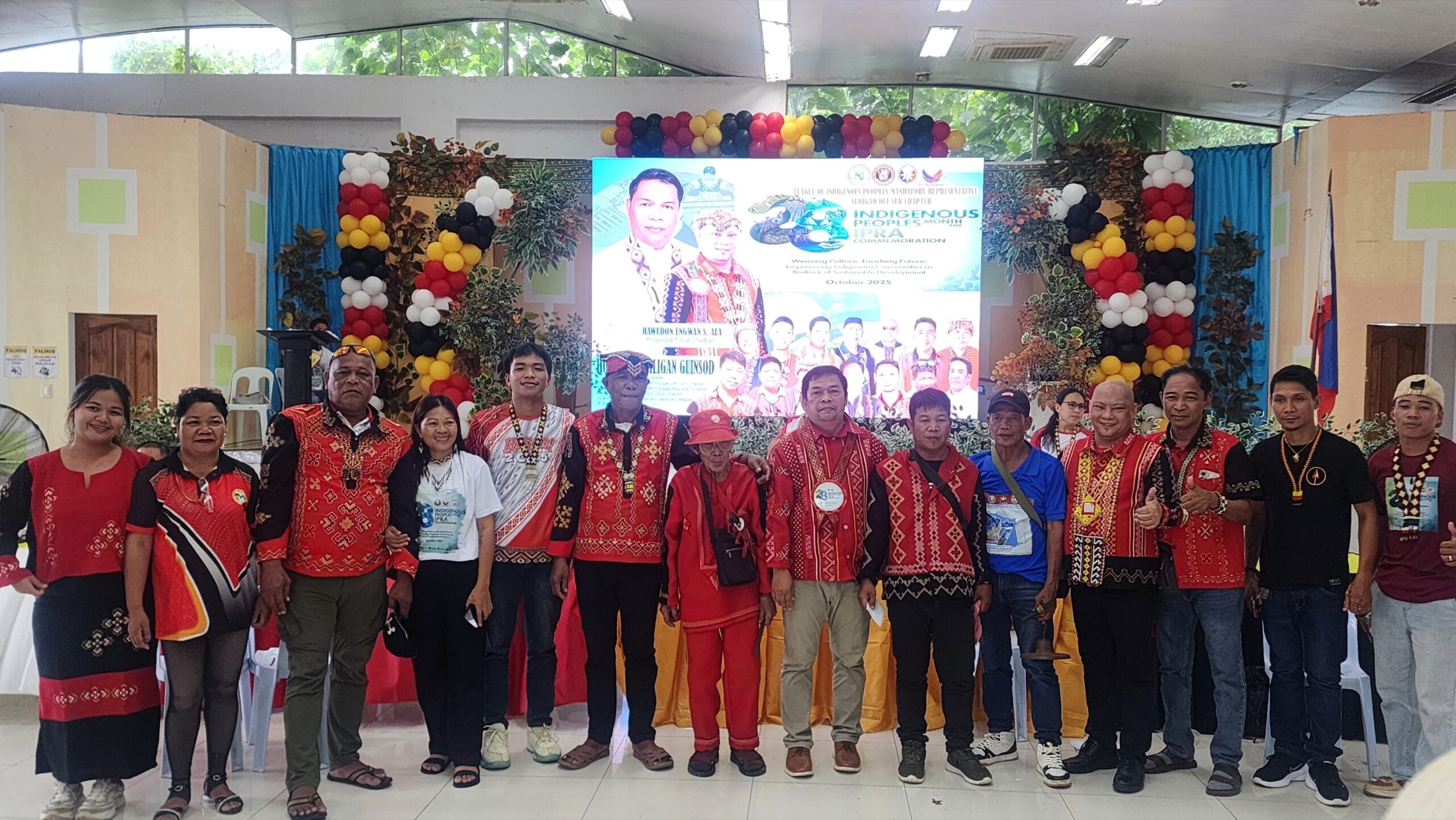
Every year in the month of October, the Philippines commemorates, celebrates, and observes the Indigenous People’s Rights Act (IPRA) of 1997; this law recognizes and promotes the rights, identities, cultures and traditions, and domains/territories of Indigenous Cultural Communities (ICCs) or Indigenous Peoples (IPs). During the IPRA Commemoration, contributions and rights of ICCs or IPs are celebrated around the country, emphasizing the importance of awareness regarding issues and challenges they face and promoting respective cultural heritage and traditions. Spearheaded by the NCIP, ICCs and IPs among various regions of the country celebrate this commemorative event through various activities. The 2024 Indigenous Peoples Month Celebration and 27th IPRA Commemoration themes was “Mga Katutubo at Katutubong Dunong: Pahalagahan, Pangalagaan at Parangalana”. The Manobo Tribe of Bislig City and the MATRICOSO are one with NCIP and all other ICCs and IPs in the Philippines in this commemorative celebration, which occurred on October 22, 2024, at Tinuy-an Falls, attended by MATRICOSO, Manobo tribespeople, and NCIP authorities in the locality. MATRICOSO continues to create longlasting ties with the rest of the authorities, sectors, agencies, and personnel of the national, regional, and provincial tribal/indigent communities.
From LAYAG Chelsea Shipping Corporation Travel Magazine
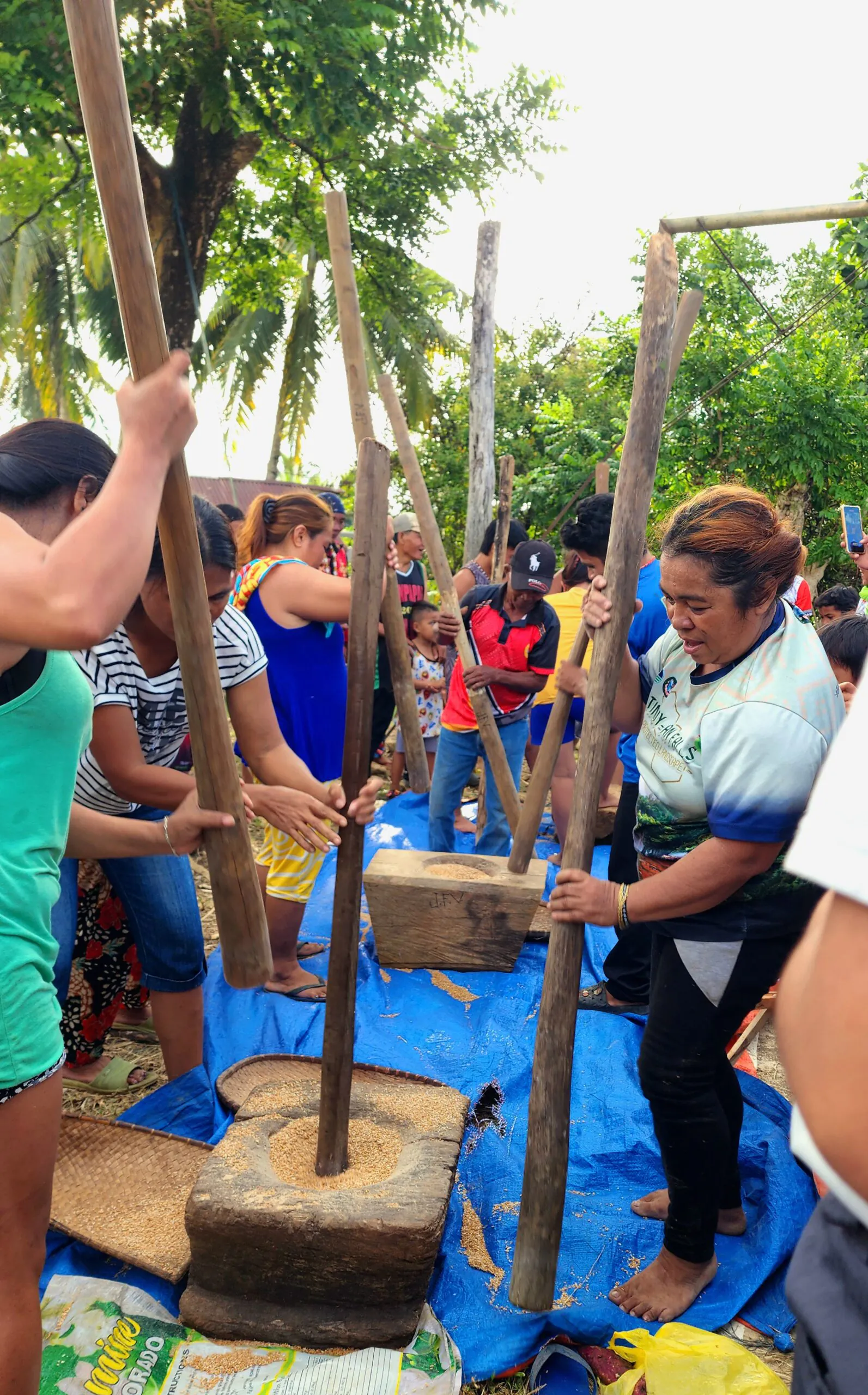
The air in the heart of Mindanao crackled not with static, but with something far older, far more resonant. It was the rhythmic thud of wooden pestles pounding rice in a traditional Bayu, the focused silence before a spear was thrown in Pagpilak o Sayak, and the collective roar of a community locked in a match of Binugkotay, or tug of war. This was the sound of culture roaring back to life at the first-ever Pangasananan Festival, a vibrant and powerful new celebration of the Manobo people.
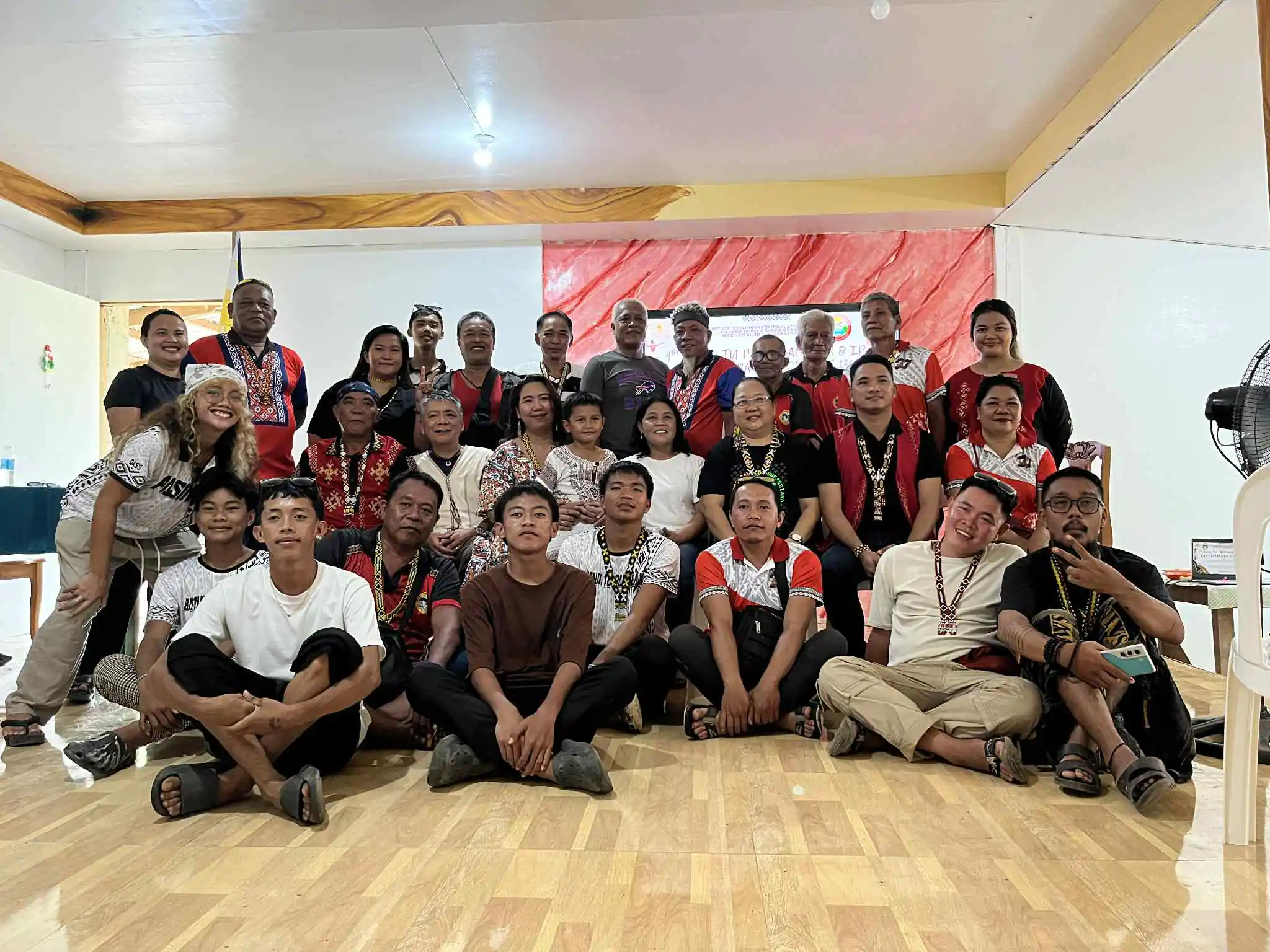
The festival’s theme beautifully captured this sentiment: "Pangasananan Pasalamatan, Kulturang Manobo Panalipdan, Tribung Kumunidad Protektahan, Henerasyong Sumusunod Paga-ampingan" (Gratitude to Pangasananan, Safeguarding of Manobo Culture, Protection for the IP Community, and Care and Guidance for the Next Generation). The two-day celebration began with a sacred ritual, led by the tribe's Baylan (spiritual leader), blessed the grounds and the gathering, grounding the festivities in deep-rooted spiritual tradition. The opening ceremony followed, a formal affair graced by respected leaders and advocates, including Tribal Chieftain Hawudon Tinuy-an Alfredo M. Domogoy and Sectoral Leader Chairman Datu Sayaw Rodino C. Domogoy.
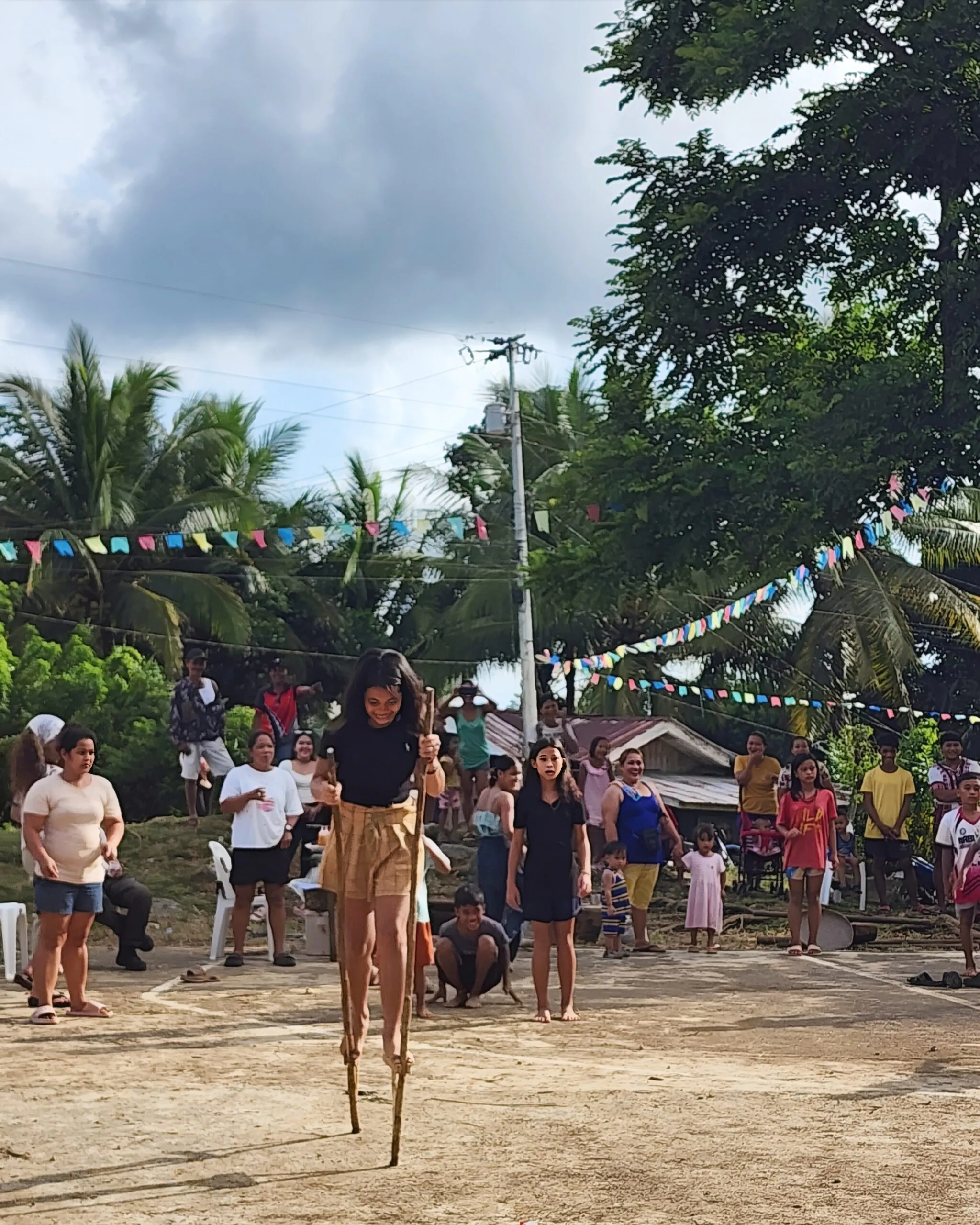
The presence of guests from the National Commission on Indigenous Peoples (NCIP), the Department of Environment and Natural Resources (DENR), and national IP organizations underscored the event's regional and national significance. But it was after a festive communal lunch that the heart of the festival began to beat its loudest. The highlight, and by far the most anticipated event, was the "Tribalympics." The idea for a Tribal Olympics was sparked just months earlier, in June, when members of the Mgo Bataun tu Pangasananan—the official IP Youth Organization of CADT 239—witnessed a similar event at the Naliyagan Festival in Agusan del Sur. Inspired, they brought the concept home, adapting it to showcase their unique Manobo heritage. The result was a spectacular display of skill, strength, and spirit. Competitors, young and old, battled it out in a series of traditional games that were as much a cultural lesson as a sporting event. In Gutgutan (traditional fire making), participants frantically worked to create a flame using only indigenous materials. In Pana (archery) and Pagpilak o Sayak (spear throwing), ancestral hunting skills were put to the test. Laughter erupted during the Kadang-kadang (pole-walk race), a chaotic and thrilling test of balance. Throughout the afternoon, sweat rolled, smiles flashed, and teamwork roared. The Tribalympics was a vivid demonstration that these traditions are not relics of the past. They are living, breathing skills that continue to define the Manobo people’s resilience, versatility, and steadfast spirit in the face of modern challenges. As the sun set on the final day, the first Pangasananan Festival concluded not just as a successful event, but as a promise fulfilled. It was a promise to the ancestors to protect their culture, a promise to the community to strengthen their bonds, and a promise to the youth to pass on the torch of their identity. For any traveler seeking an authentic, dynamic, and deeply meaningful cultural experience, mark your calendars. A new tradition has been born, and its spirit is calling.
Despite having laws, agencies, advocacies, and tribal communities that promote, protect, and preserve the rights, identities, and territories of ICCs and IPs, the indigenous communities and peoples in the Philippines continue to face challenges and issues. MATRICOSOBA and the Manobo tribespeople of CADT 239 in Bislig City strive to overcome these challenges and issues through different efforts alongside both internal and external efforts, measures, and strategies. According to the report of MATRICOSO, CADT 239 and its people face the following challenges: